South Korea’s Experience for Alatau City: Outcomes of the Kazakh Delegation’s Working Visit
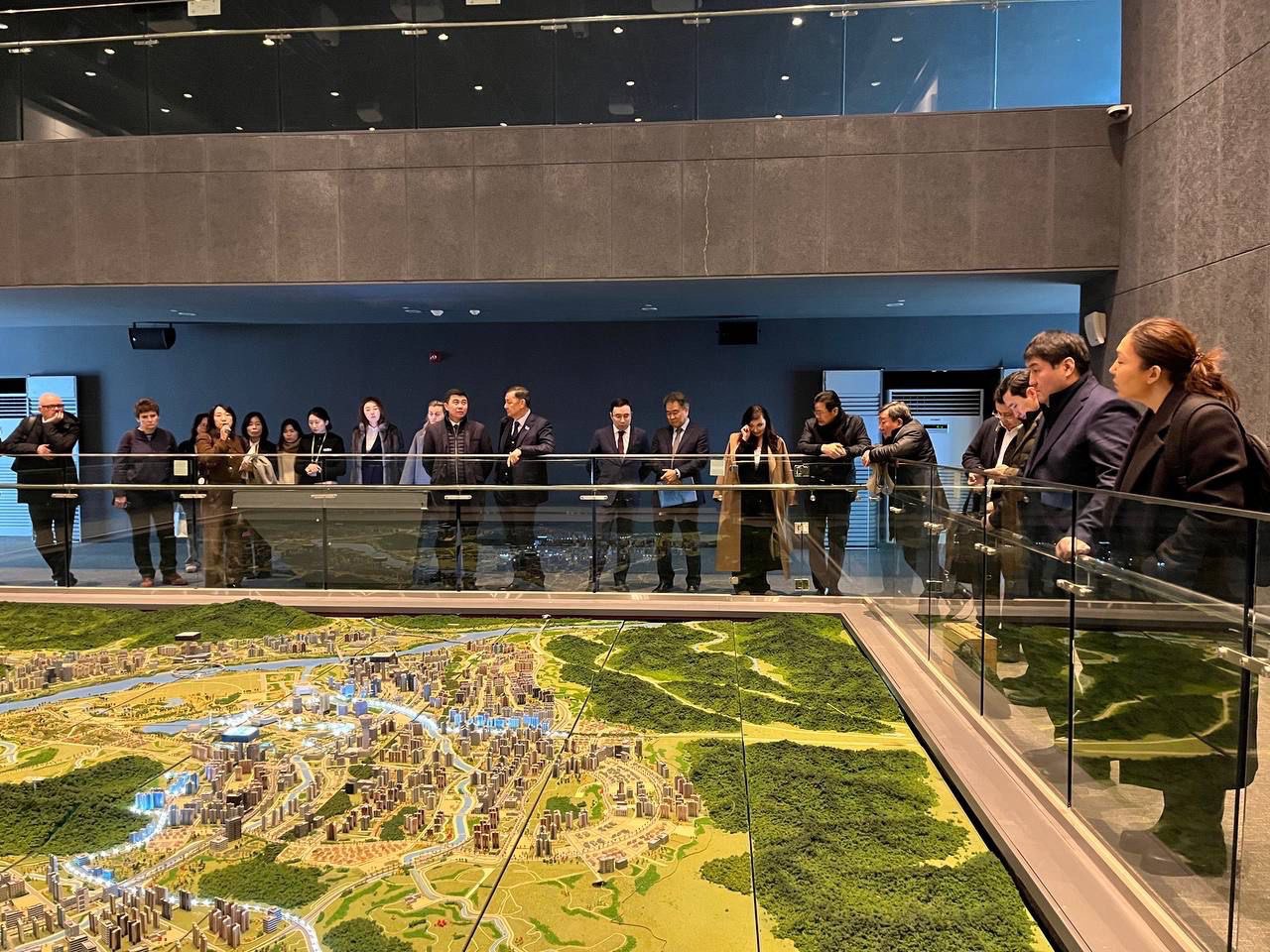
The working group included Alisher Abdykadyrov, CEO of the Alatau City Authority State Development Fund; Mazhilis deputies Yekaterina Smyshlyayeva, Berik Beisengaliyev, and Abzal Kuspan; Kuandyk Kazhkenov, Vice Minister of Industry and Construction of the Republic of Kazakhstan; Asset Masabayev, Deputy Akim of Almaty Region; as well as representatives of relevant government bodies and expert organizations, including Alatau City Authority, National Information Technologies JSC, and Almaty Region Master Plan LLP.
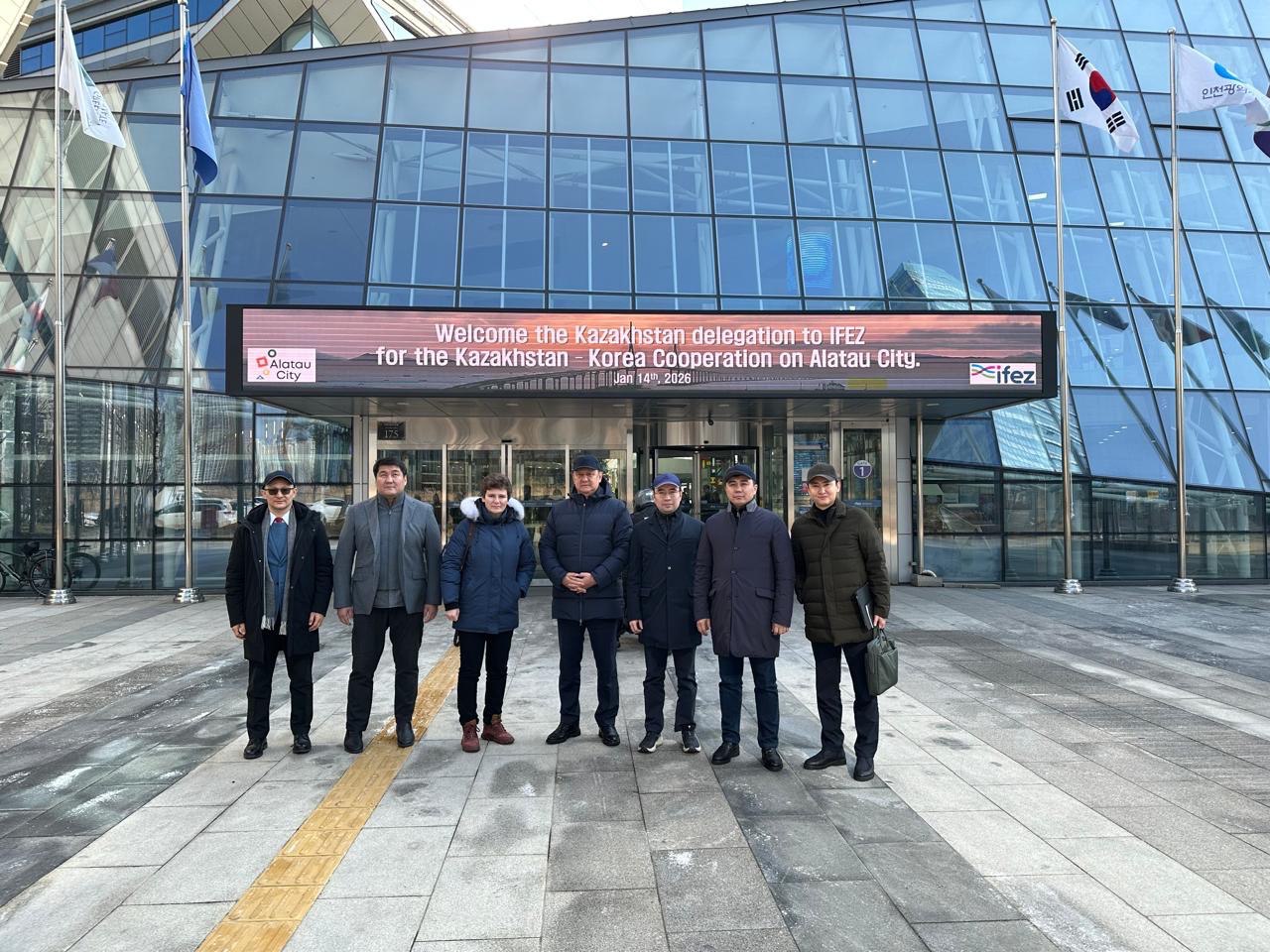
Incheon Free Economic Zone (IFEZ): From a Free Economic Zone to an AI City
Established in 2003, the Incheon Free Economic Zone (IFEZ) has become a benchmark example of how a free economic zone and a smart city can successfully evolve within a single, well-governed territory.
The Kazakh delegation conducted an in-depth review of the IFEZ structure, which is organized into three core clusters, each with a clear functional specialization:
-
Songdo - international business, IT, and biomedicine;
-
Yeongjong - logistics, aviation services, and tourism;
-
Cheongna - finance and entertainment.
This model enables the formation of powerful ecosystems around each cluster, attracting global leaders such as Samsung, SK, Johnson & Johnson, and Boeing.
Analysis of the Korean experience demonstrates that territorial specialization is a critical factor in minimizing internal competition between districts and allowing tailored incentive regimes to be designed for specific industries.
A similar approach is directly reflected in the Alatau City Master Plan. The city is likewise divided into four independent thematic districts, each with a distinct mission:
-
Gate District - a financial and administrative center symbolizing the city’s openness and commitment to international cooperation;
-
Golden District - a cluster focused on education, healthcare, and scientific research, creating a favorable environment for innovation;
-
Growing District - an integrated, export-oriented industrial and logistics zone;
-
Green District - a recreational and tourism cluster offering a unique combination of urban living and natural landscapes.
Following the IFEZ model, strategic district-based planning in Alatau City will enable a balanced distribution of transport flows and the creation of autonomous economic centers within a unified metropolis, an essential condition for sustainable urban growth.
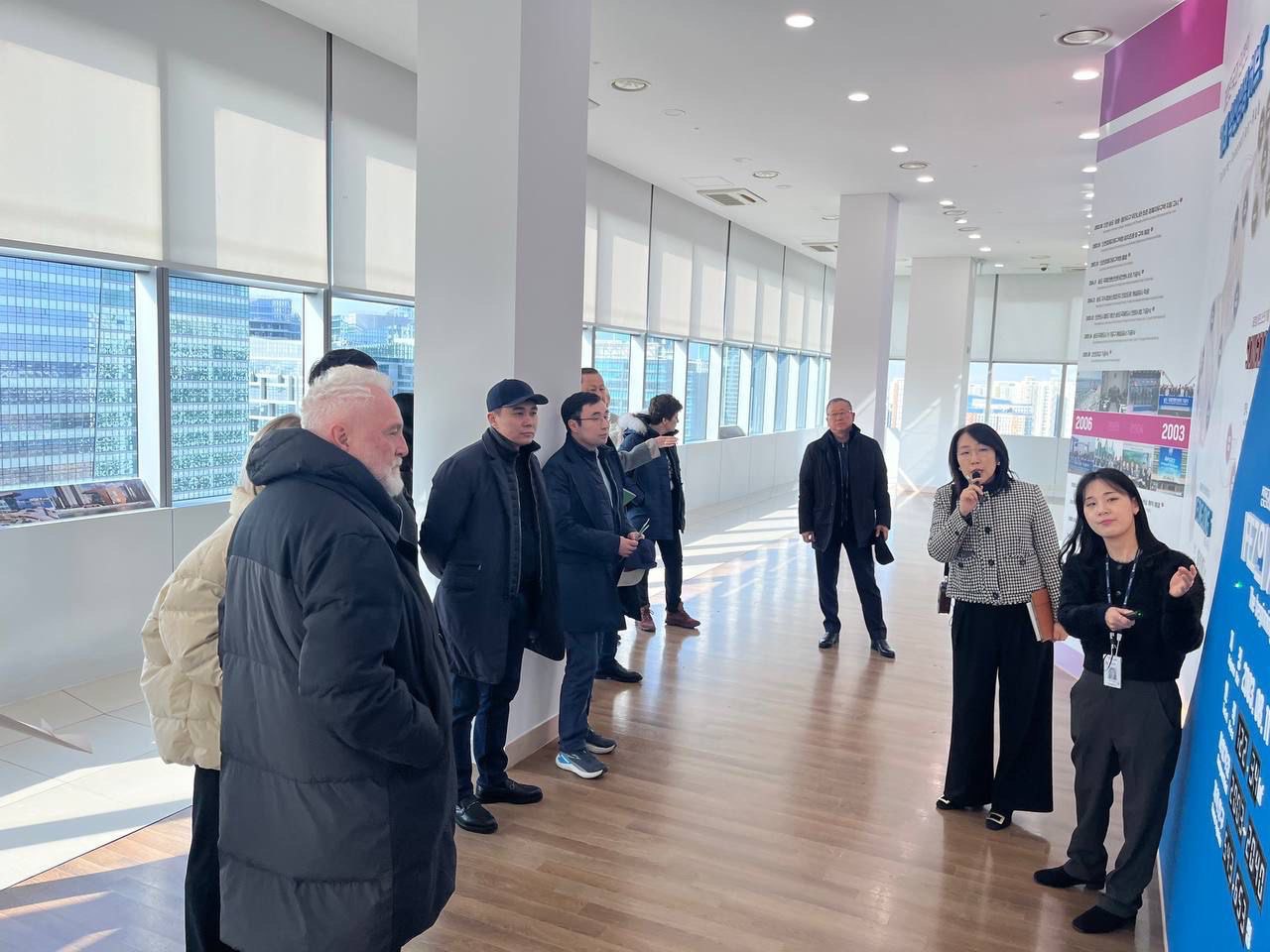
Of particular interest to the working group was Korea’s transition from the traditional Smart City concept to an AI City model, scheduled for 2026. Today, Incheon’s digital “brain” not only aggregates data from IoT sensors, but actively applies artificial intelligence algorithms to anticipate residents’ needs and prevent incidents before they occur.
Another key investment-attraction tool in Incheon is the Freedom of Business principle, which allows companies to establish a full business cycle within a single zone, along with the use of regulatory sandboxes for testing new technologies.
These approaches are of high relevance for building an open and flexible investment environment in Alatau City. Active work is currently underway on the Constitutional Law “On the Special Status of Alatau City,” which will formalize a special legal regime and create the necessary conditions for adopting best international practices in governance and business development.
Sejong’s “Living Lab” Ecosystem and Technological Sovereignty
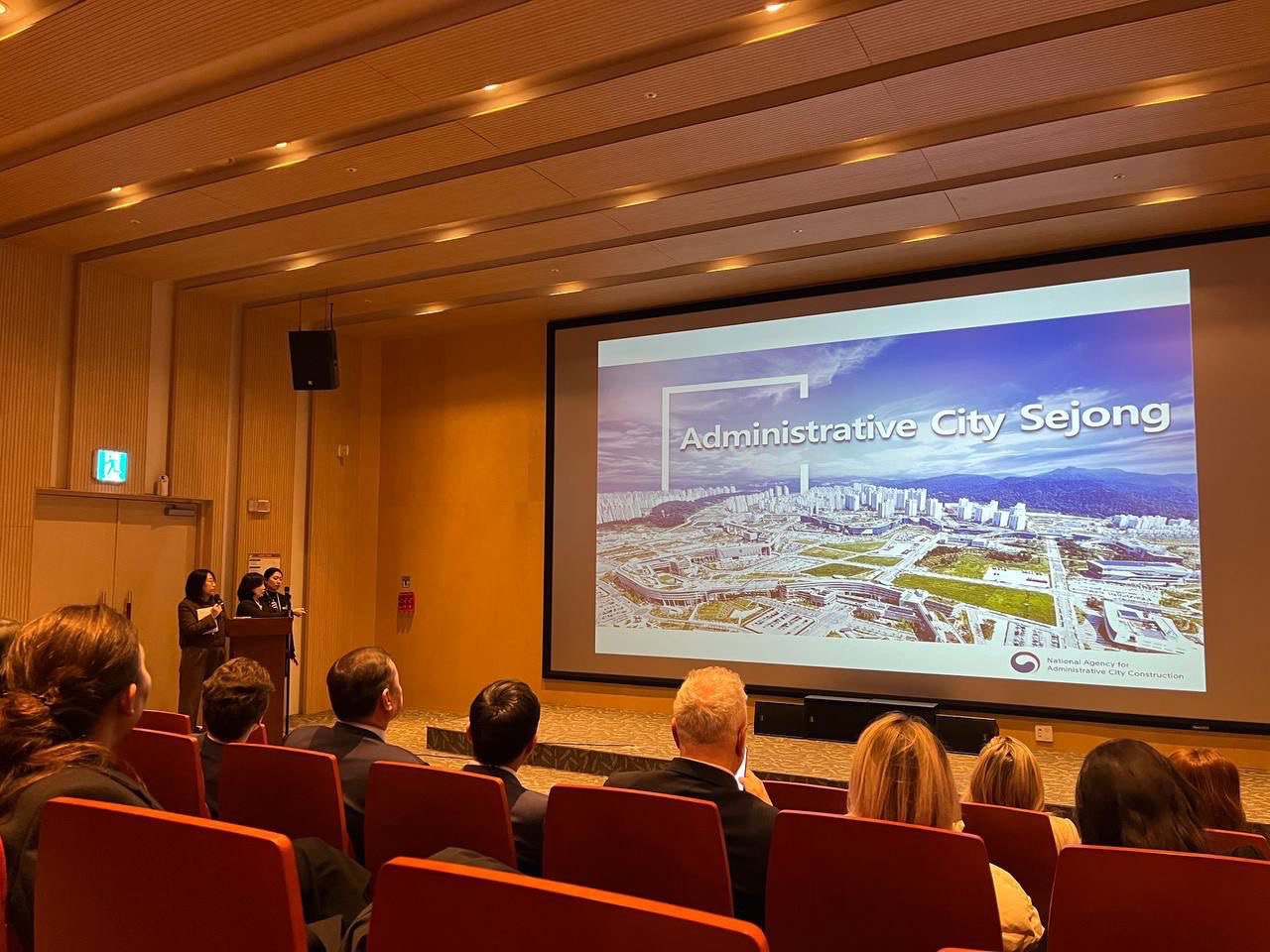
During the visit to Sejong, South Korea’s new administrative capital, the working group explored how a city can serve as an effective instrument for population decentralization. Designed for a population of 500,000 residents, the project is already approaching its final stage of implementation.
Sejong has been developed as a smart city built from the ground up. Its urban planning concept is based on a unique circular structure, with more than 50% of the territory dedicated to green spaces, while administrative, educational, and residential functions are closely integrated.
One of the key highlights of the visit was the city’s Integrated Urban Management Center. Members of the delegation were introduced to the operations of a large-scale data center equipped with high-performance graphics processing units (GPUs) used to train so-called “physical artificial intelligence” systems. These systems interact with the real urban environment through robotic solutions.
As a practical demonstration, GARO and SERO-type robots were presented with solutions specifically adapted to the city’s architectural and spatial characteristics.
Urban Innovation: CleanNet and Energy-Efficient Development
One of the promising technologies under consideration for Alatau City is an underground vacuum waste collection system similar to CleanNet, which has been successfully implemented in Sejong, South Korea. In Sejong, garbage trucks have been completely eliminated from residential neighborhoods. The system operates simply: waste is deposited into dedicated collection inlets and then transported through underground pipelines by air pressure directly to a centralized processing facility.
For Alatau City, such a solution offers an opportunity to embed the principle of a “clean city” from the outset. While Almaty is officially recognized as the city with the most polluted air in Kazakhstan, Alatau City aims to eliminate this issue already at the planning and design stage. Replacing heavy waste collection vehicles with an underground vacuum system would significantly reduce emissions in residential areas, while also eliminating noise and unpleasant odors in courtyards and public spaces.
Special attention during the visit was also given to energy-efficient residential development. Through pilot Zero-Energy Building projects in South Korea, the Kazakh delegation was shown how Building Energy Management Systems (BEMS) and air quality sensors help reduce building operating costs while creating a more comfortable living environment.
Similar solutions are being considered for integration into Alatau City, where environmental sustainability and lower operating costs are being established as baseline quality standards for the urban environment.
Partnership with Hyundai Green Food and Insights into Smart Building Design
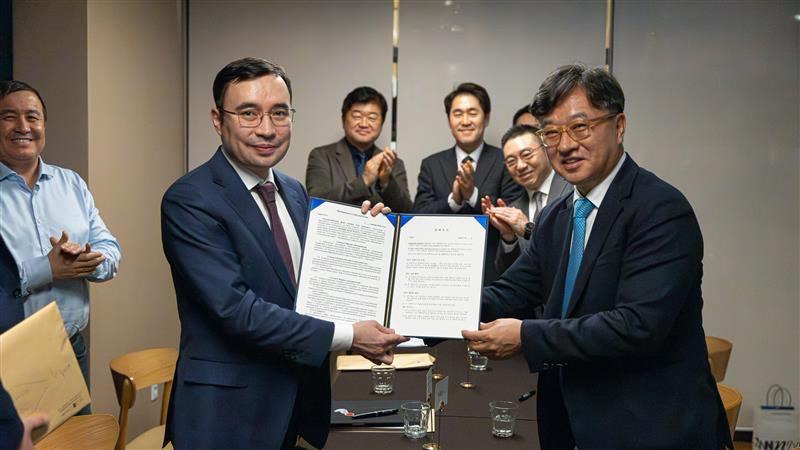
During the visit, a Memorandum of Cooperation was signed with Hyundai Green Food. The plans include the construction of a production complex in Alatau City, featuring its own transport and logistics infrastructure. The project is positioned as part of the development of the Growing District and is aimed at introducing advanced standards for food production and delivery, as well as creating new jobs within the Alatau Special Economic Zone. The Korean side also presented practical solutions for production automation and digital quality and safety control systems.
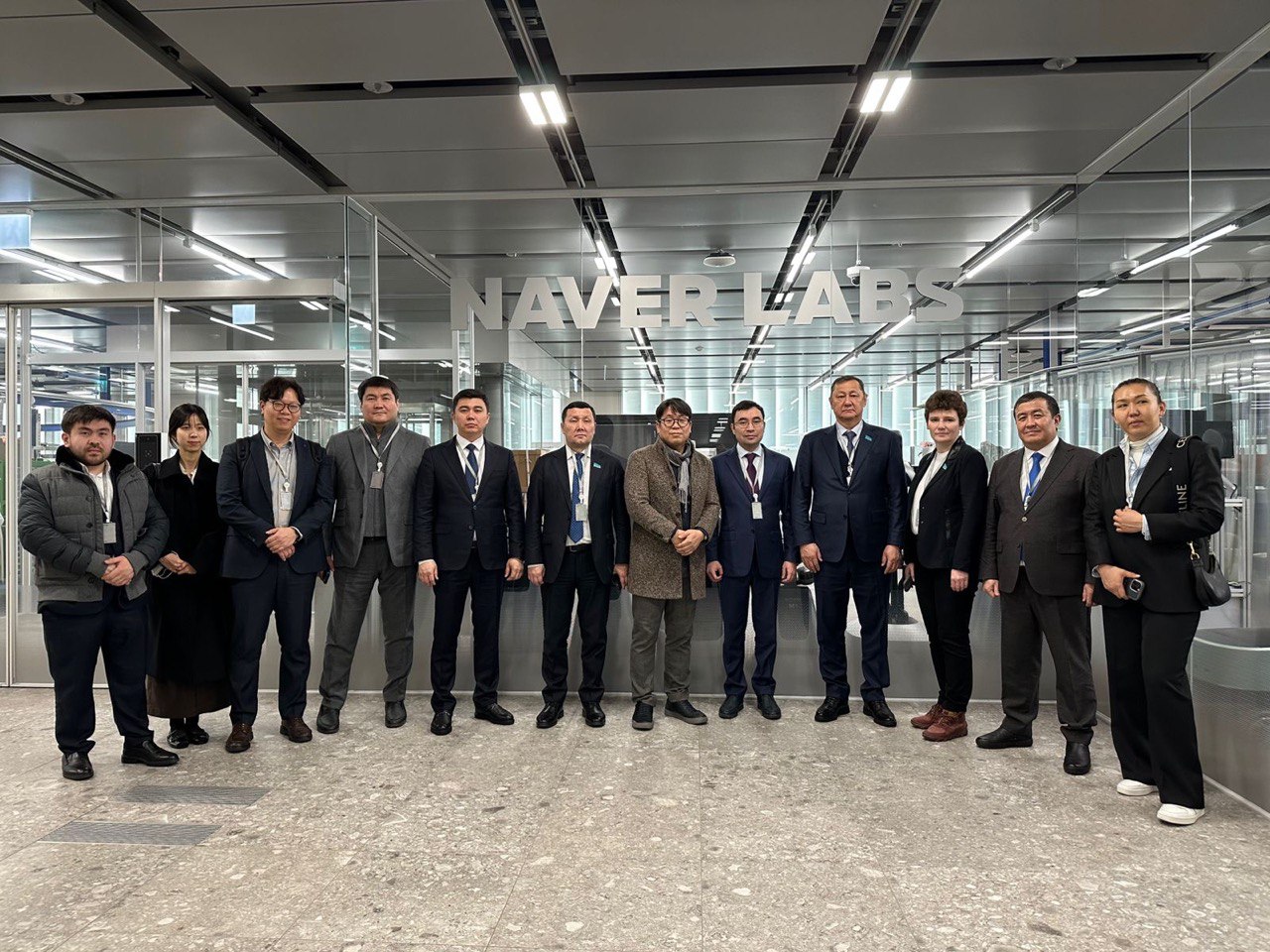
Special attention was given to the study of next-generation workspaces, exemplified by the NAVER 1784 campus, where architectural and engineering solutions have been designed from the outset to support the use of service robots. These robots move freely throughout the building, performing auxiliary functions without disrupting core workflows. This approach is being considered as a benchmark for the design of business centers and innovation zones in Alatau City.
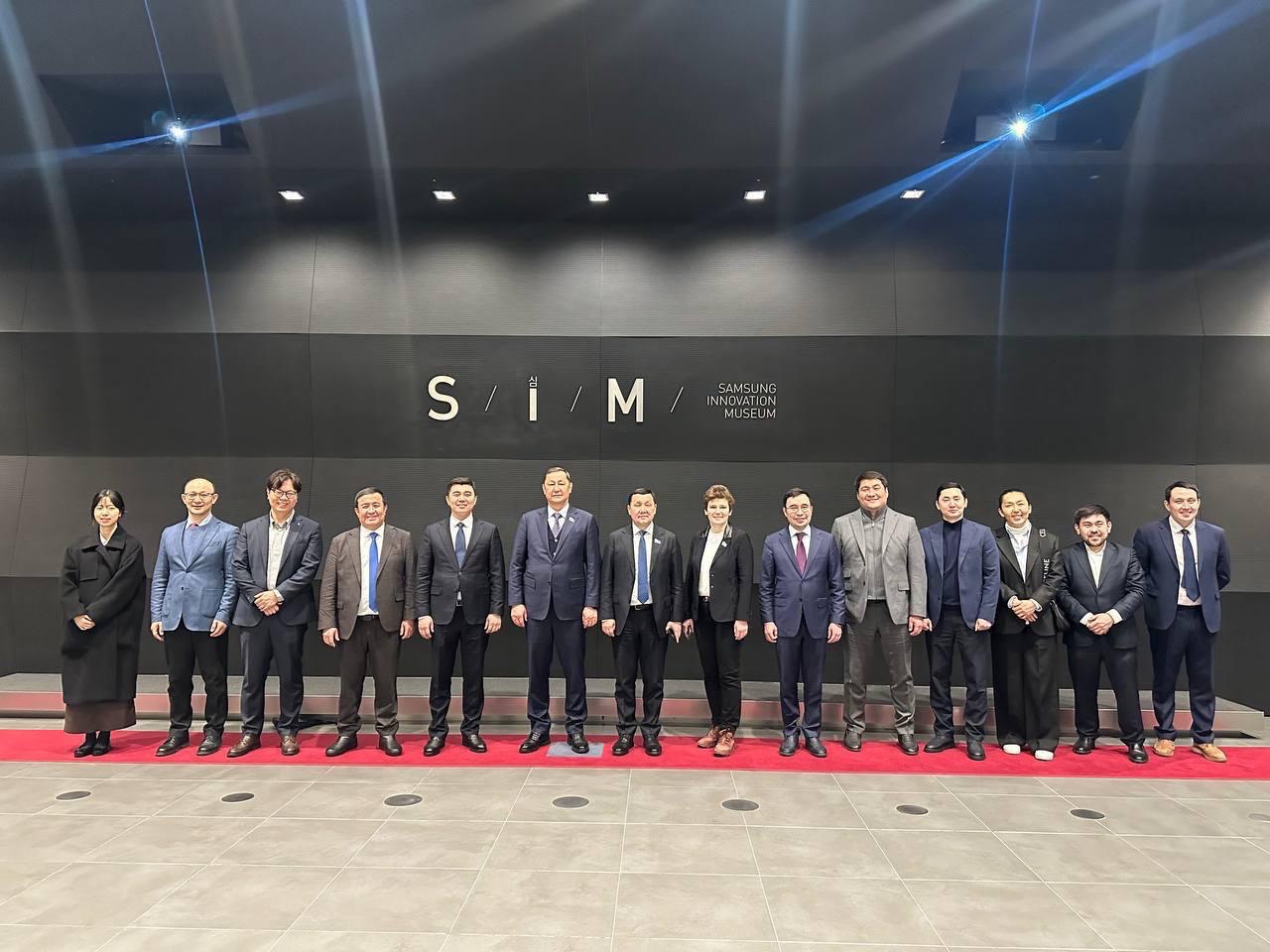
The delegation also visited Samsung’s demonstration and exhibition spaces, showcasing solutions in artificial intelligence and high-tech manufacturing. Members of the working group explored Samsung’s approach to building an innovation ecosystem in which large corporations and startups develop in parallel, reinforcing one another.
Seongnam: A Model of a Successful Satellite City
A separate highlight of the Kazakh delegation’s visit to Korea was an introduction to the city of Seongnam and its innovation core, Pangyo Techno Valley. This is South Korea’s largest IT cluster, home to the offices of leading technology corporations and a well-developed startup ecosystem.
Seongnam’s experience demonstrates that transforming a satellite city into an independent high-tech center is achievable through a combination of clear strategic positioning, a concentration of R&D capabilities, and a high-quality living and working environment for professionals.
A similar model is planned for Alatau City, where a dedicated innovation and talent ecosystem will be developed to support long-term, technology-driven growth.
From Analysis to Sustainable Solutions
The working visit made it possible to conduct an in-depth study of the Korean experience and identify ideas that can be effectively applied in the development of Alatau City. According to members of the delegation, this approach allows potential advantages to be assessed in advance and helps avoid possible missteps when building a new city in the Almaty Region.
“Alatau City is being designed from the outset as a next-generation city, where infrastructure miscalculations must be eliminated at the blueprint stage,” says Alisher Abdykadyrov, CEO of Alatau City Authority.
“We are guided by the experience of global leaders, where digital governance is already a standard rather than an experiment. What matters most to us are proven algorithms - how to automate logistics and utility networks at the level of code and hardware even before large-scale development begins. By studying Korean technopolises, we now understand exactly which parameters must be embedded in the Alatau City master plan today so that, twenty years from now, the city does not face an infrastructure dead end. This is proactive work: we are designing an environment that can be managed efficiently,” he added.
Studying global best practices is only part of a broader analytical effort. This approach will help shape a modern development strategy for Alatau City, focused on the long-term comfort of residents and businesses alike.