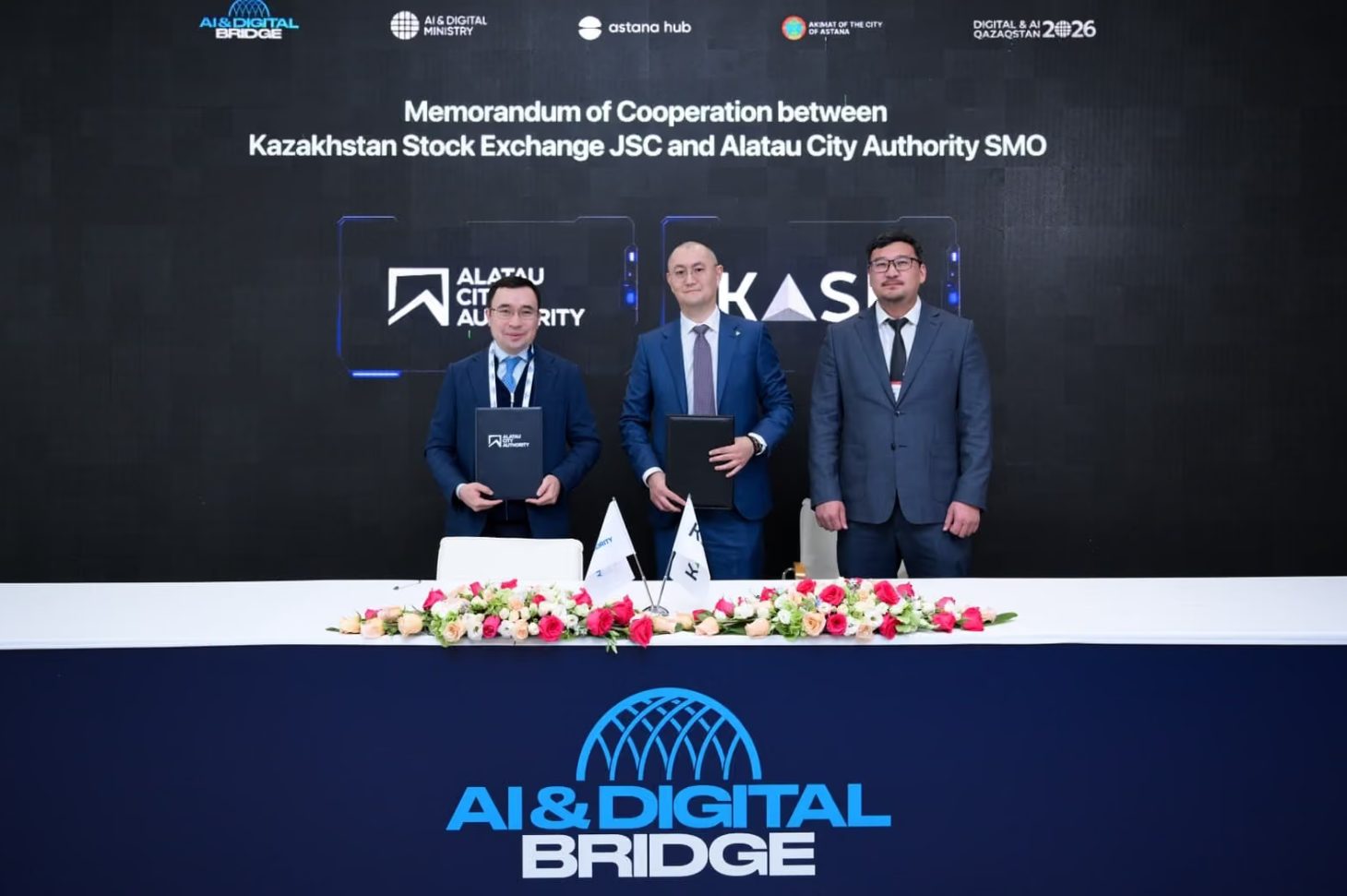
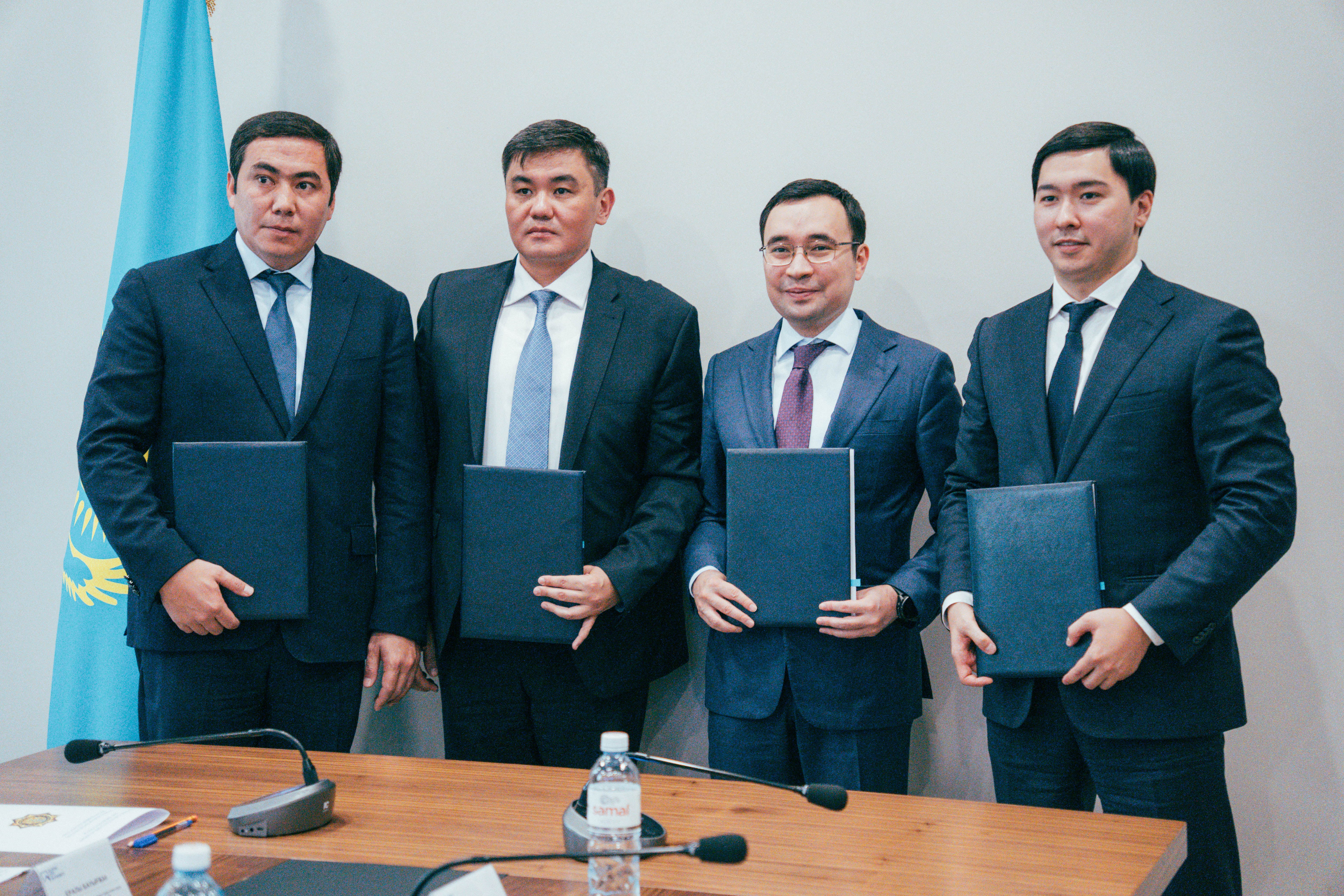
Alatau City Hosts Central Asia’s First eVTOL Air Taxi Demonstration Flight
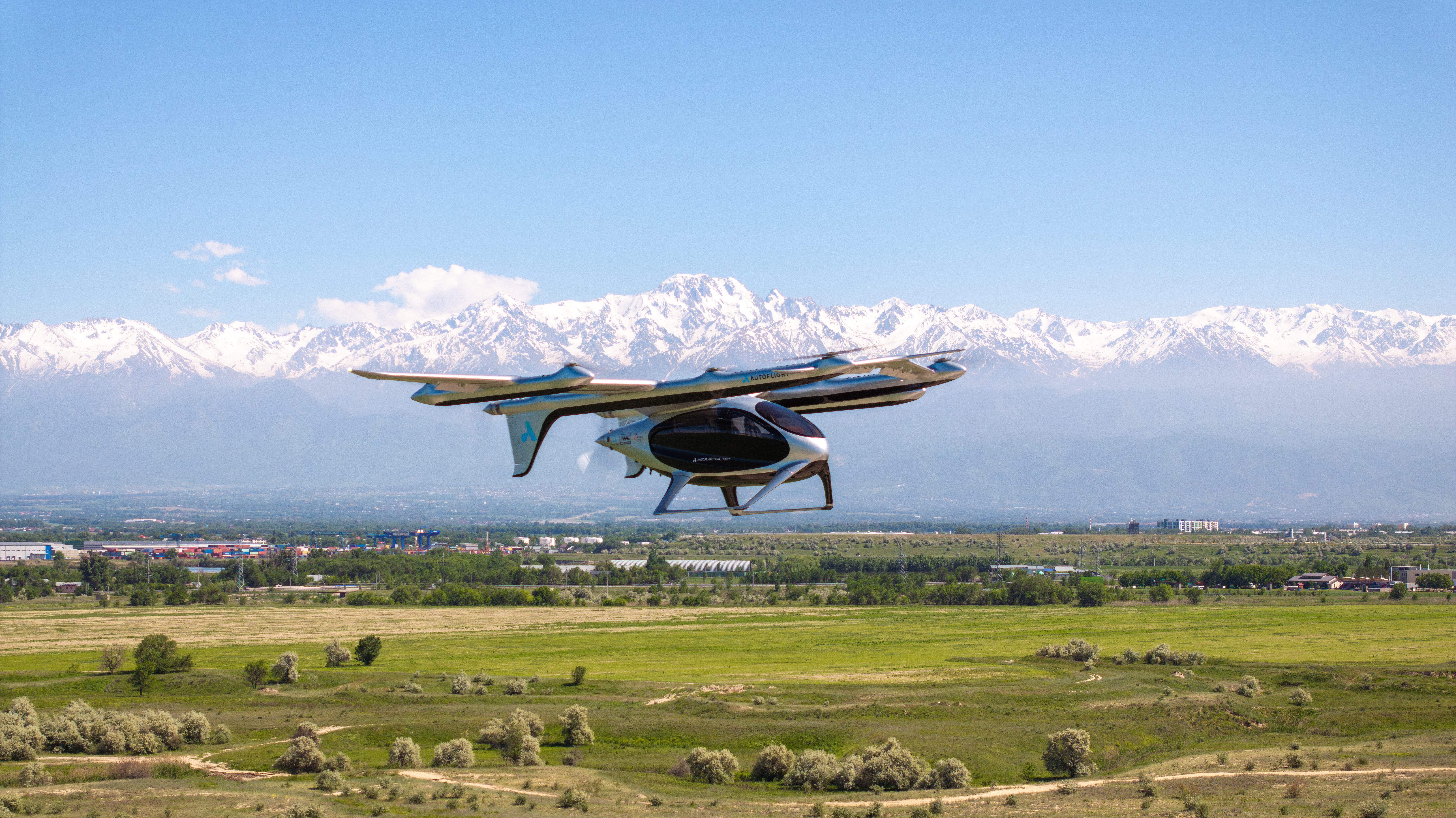
The project was implemented by the Kazakhstan private company Alatau Advance Air Group Ltd. (AAAG) with the participation of international partners from China, South Korea, Italy, and the United States. All stages-from research to the demonstration flight-are funded entirely by private investment. Total investment in developing the UAM ecosystem in Alatau City is estimated at approximately $300 million.
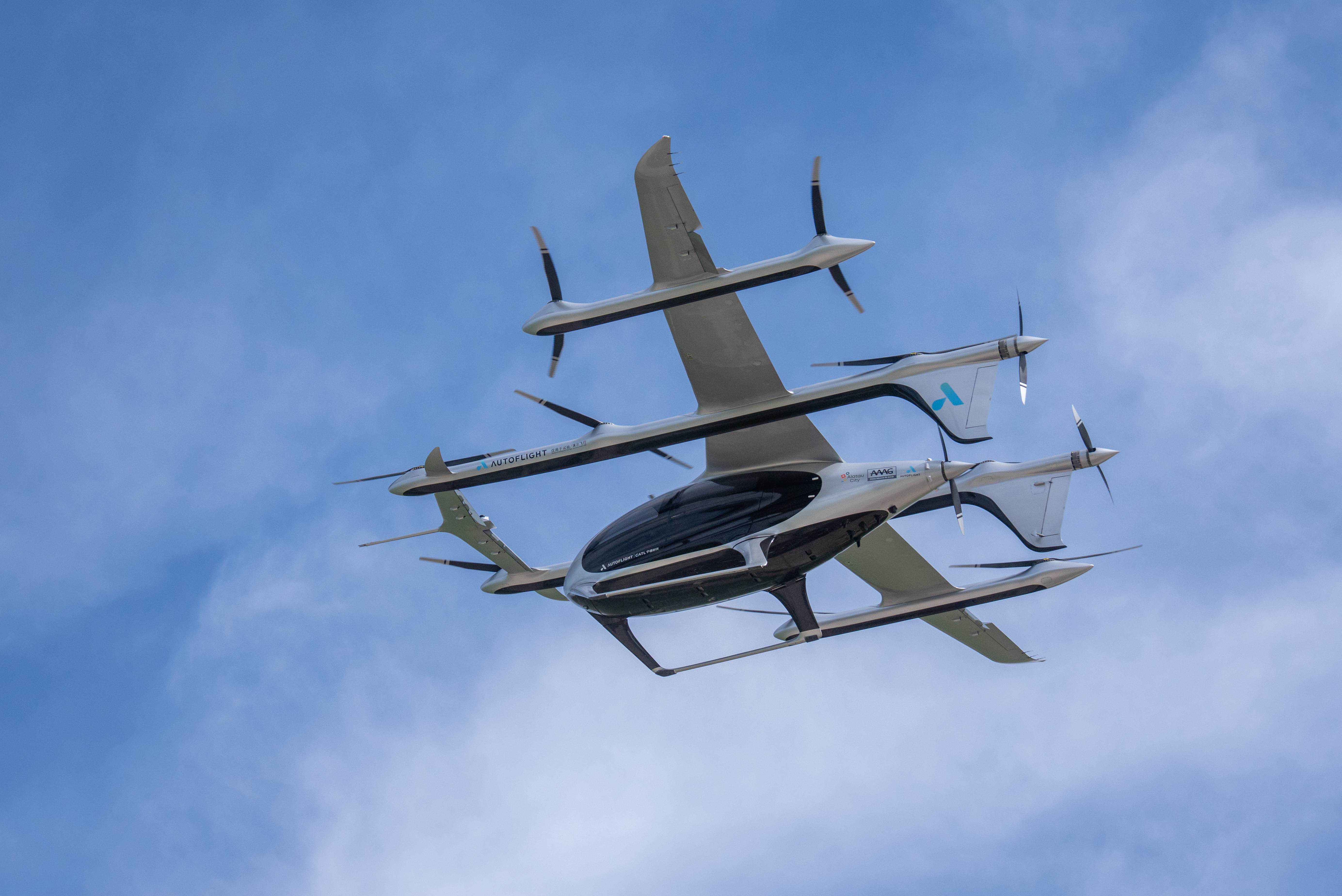
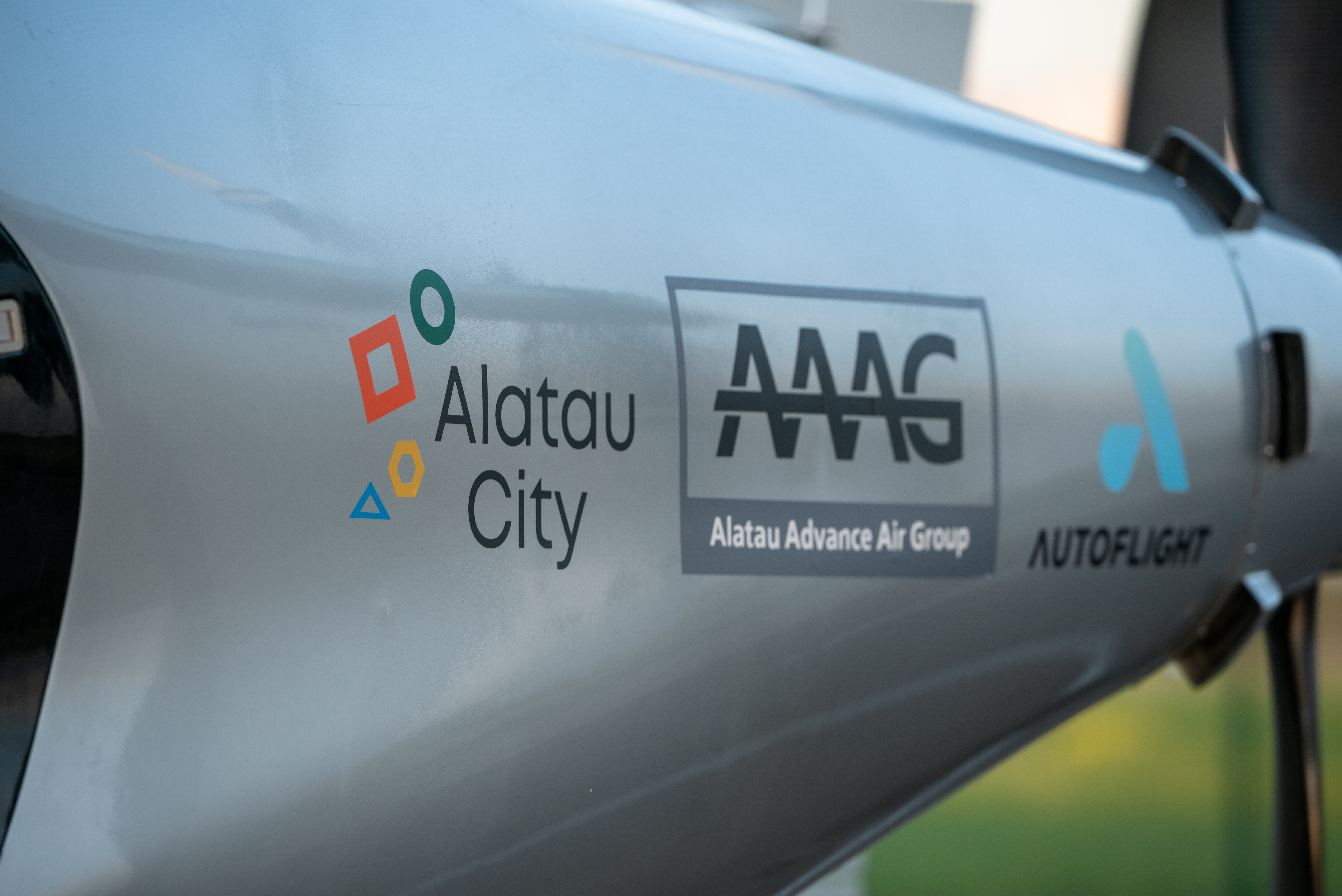
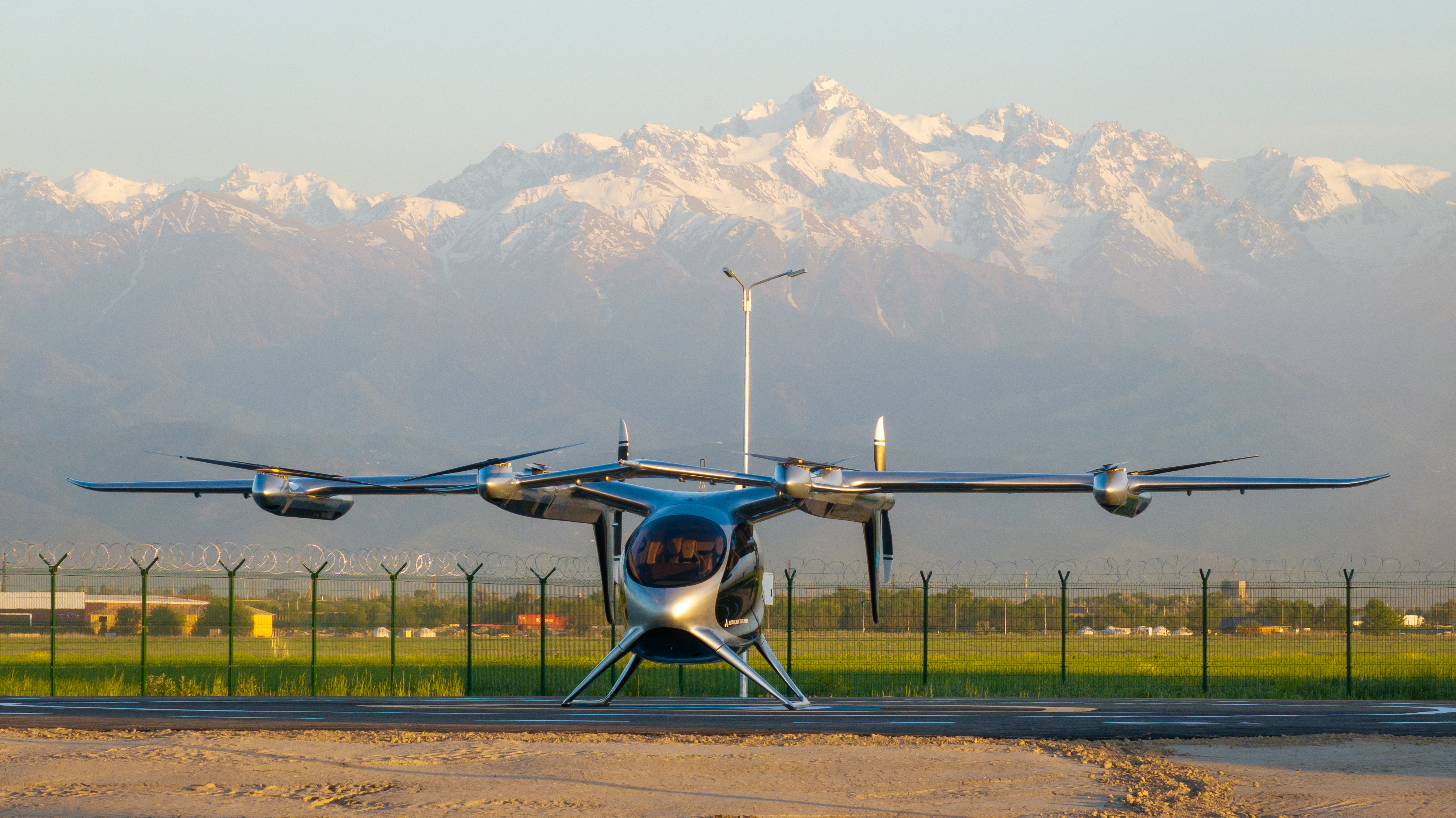
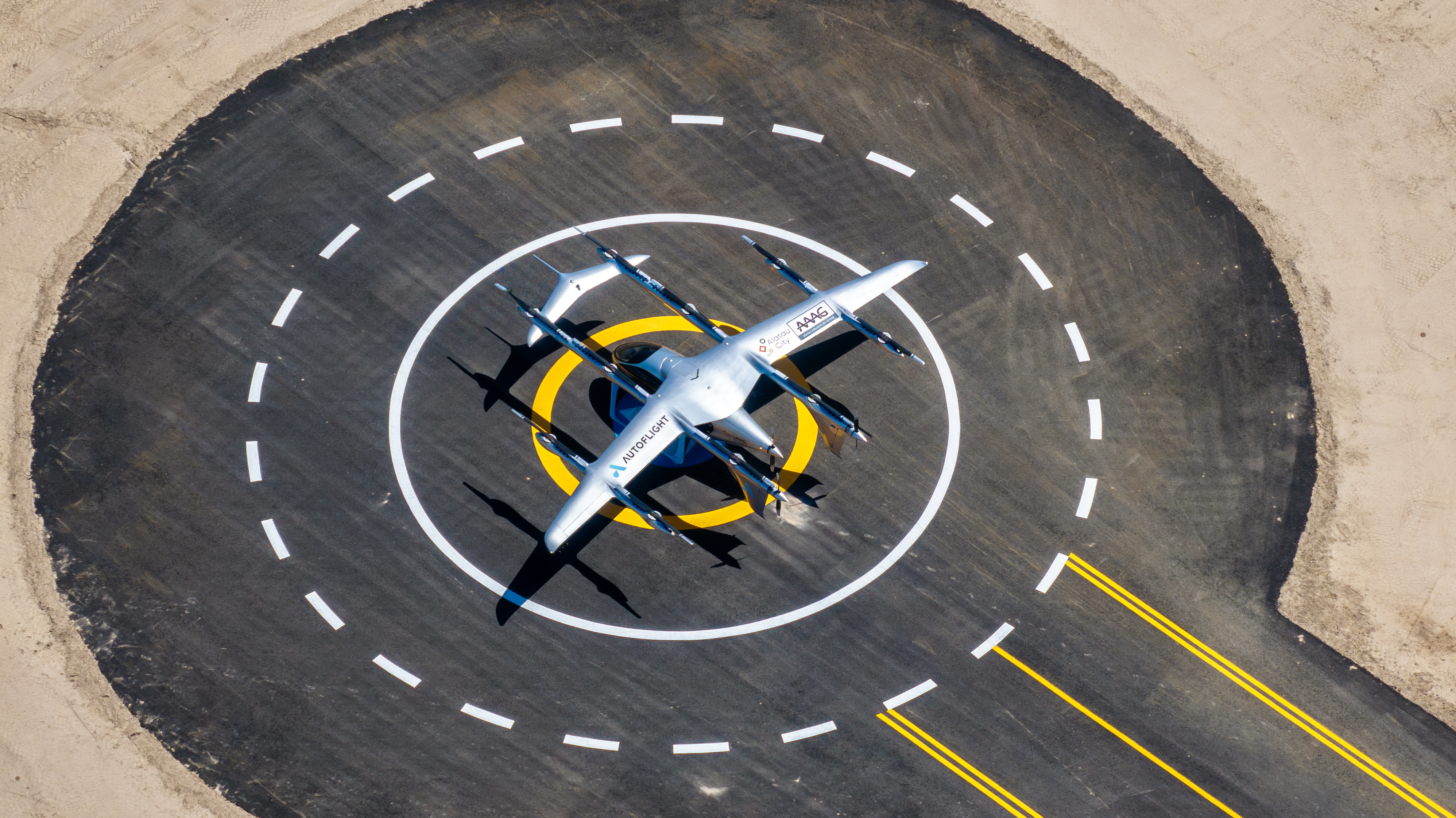
During the demonstration, the AutoFlight Prosperity passenger aircraft, designed for one pilot and five passengers, took to the skies. It can reach speeds of up to 200 km/h and cover up to 200 km on a single charge. Equipped with 13 electric motors, the eVTOL operates almost silently and produces zero CO₂ emissions. In accordance with safety requirements, the maiden flight was conducted without passengers.
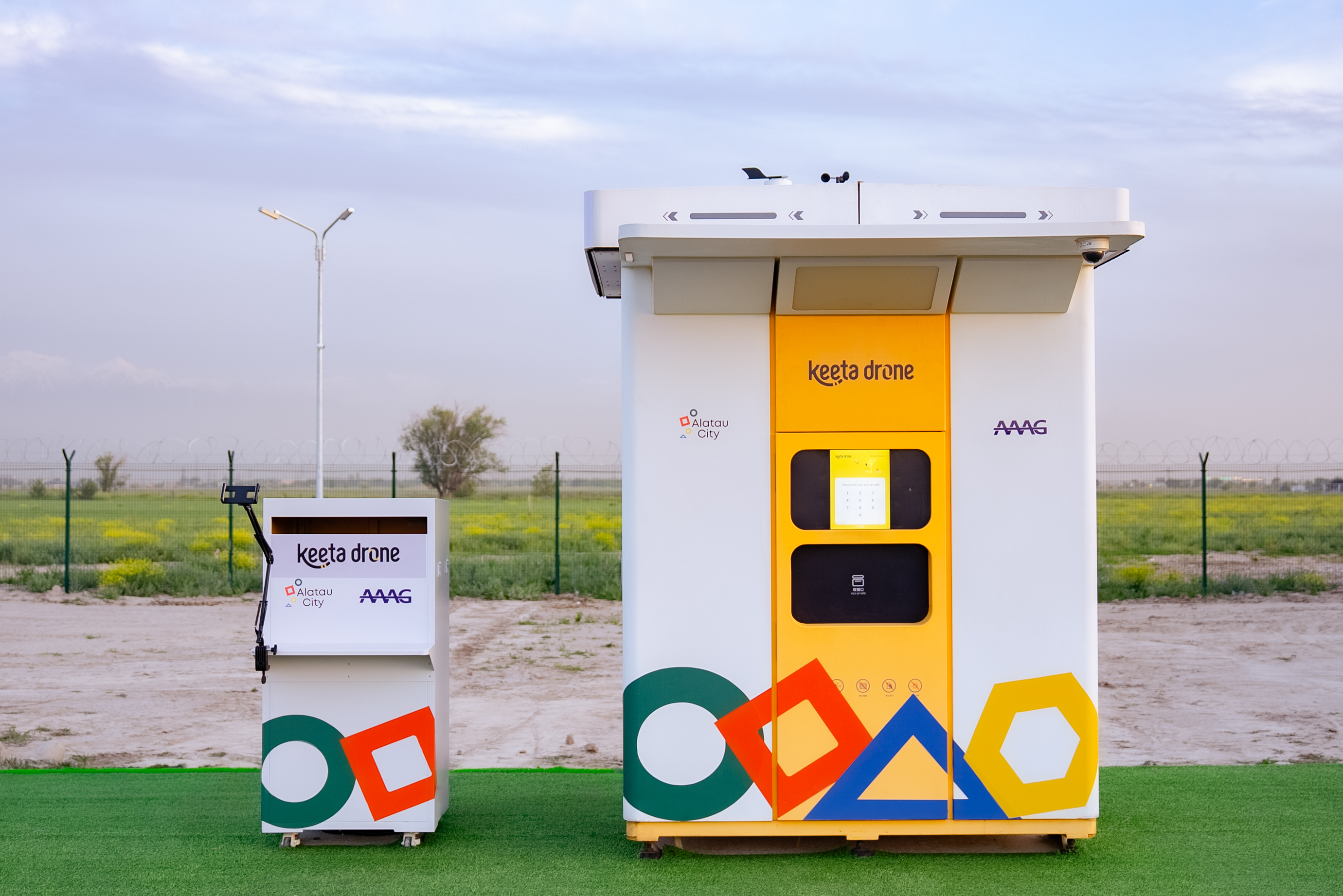
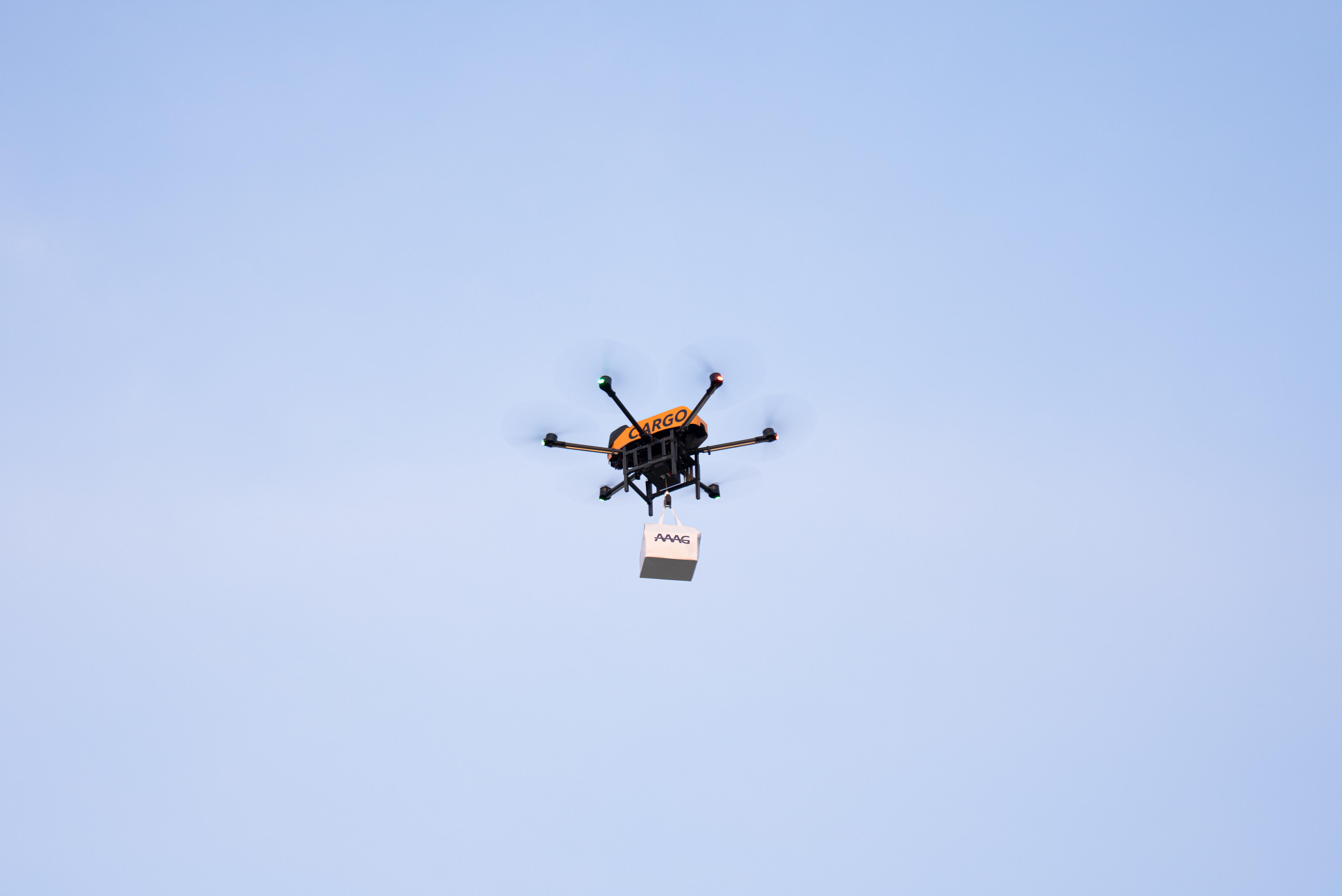
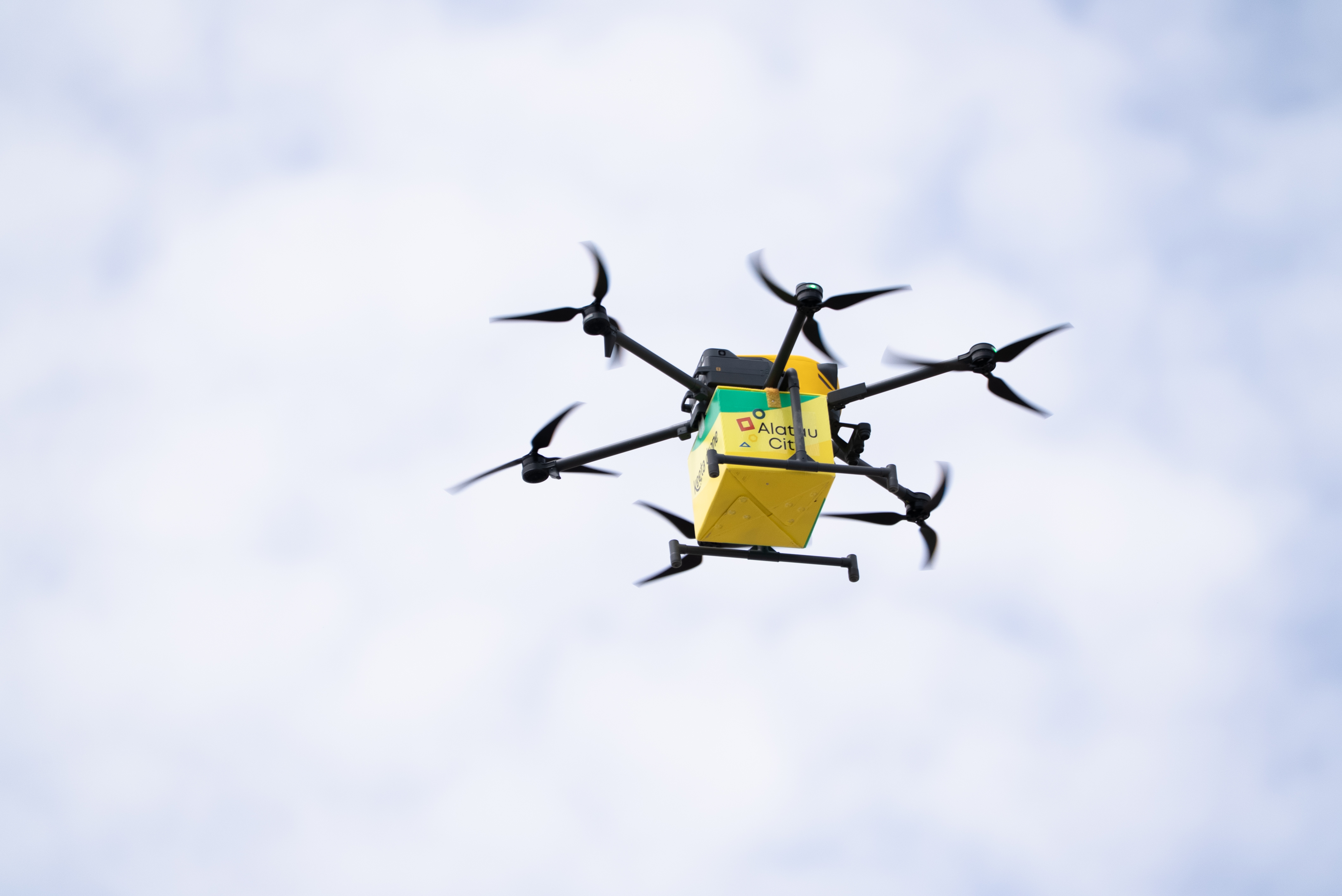
In addition to the air taxi, the event showcased delivery drones from Keeta Drone (China) and A2Z (USA), as well as the UATM digital navigation platform developed by the Korea Airports Corporation in collaboration with the Shenzhen Urban Transportation Planning Center. Together, these solutions form what analysts call the advanced air mobility sector-a new urban industry that combines air mobility, drone logistics, and digital airspace management. According to Morgan Stanley, the global Urban Air Mobility market could reach $1–1.5 trillion by 2040.
The first demonstration flight was attended by government officials: Akim of the Almaty Region Marat Sultangaziyev, Deputy Minister of Defense and Commander-in-Chief of the Air Defense Forces Kairat Sadykov, Vice Minister of Artificial Intelligence and Digital Development Bakhtiyar Mukhametkaliyev, Chief Executive Officer of the Alatau City Authority Alisher Abdykadyrov, and Akim of Alatau City Arken Utenov.
How It All Started
Sergey Khegay, Founder and Head of Alatau Advance Air Group, detailed the journey from the initial idea to the first eVTOL flight in Kazakhstan, as well as the formation of the international alliance around the project. According to him, the team first encountered the UAM concept in South Korea in 2024, after which they returned to Kazakhstan and began systematically promoting the idea, explaining how urban air mobility could work in real-world conditions.
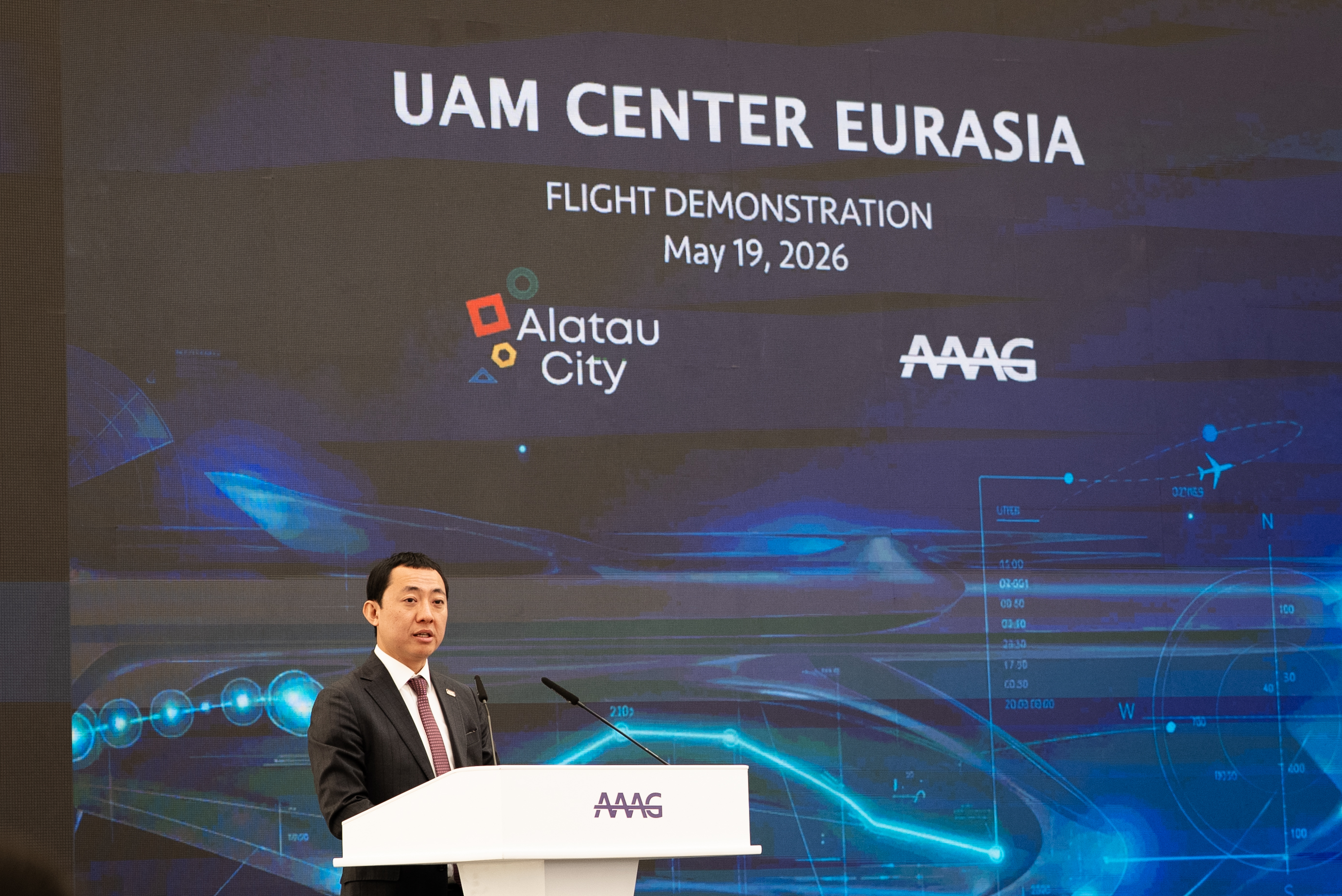
Within a short period, a company was registered at the AIFC, a team of aviators, IT specialists, and international partners was assembled, and a large-scale study of best practices in the US, China, South Korea, Japan, Dubai, and European countries was conducted. According to Khegay, this experience allowed them to bring a comprehensive industry development model to Alatau City, rather than just an isolated solution.
“Our goal is not merely to import technology, but to build a fully-fledged industry: infrastructure, engineering expertise, and new jobs for Kazakhstan professionals. Alatau City is being designed from scratch, which provides a unique advantage, as air mobility can be integrated into the city's master plan right from the start. Over the next two years, we will develop the infrastructure and prepare for a commercial launch by 2028,” he shared.
A City Designed for the Future
Akim of the Almaty Region Marat Sultangaziyev highlighted the project's investment dimension and its impact on the regional economy:
“It is important to note that the project is being implemented with significant backing from private investment. The planned funding of around $250 million confirms the high level of confidence in the future of Alatau City and Kazakhstan's potential as a regional hub for advanced air mobility. Today, our country is not merely observing global technological shifts; we are actively participating in them and independently shaping the future. We are confident that this project will serve as a powerful catalyst for attracting new high-tech investors to the Almaty Region.”
.
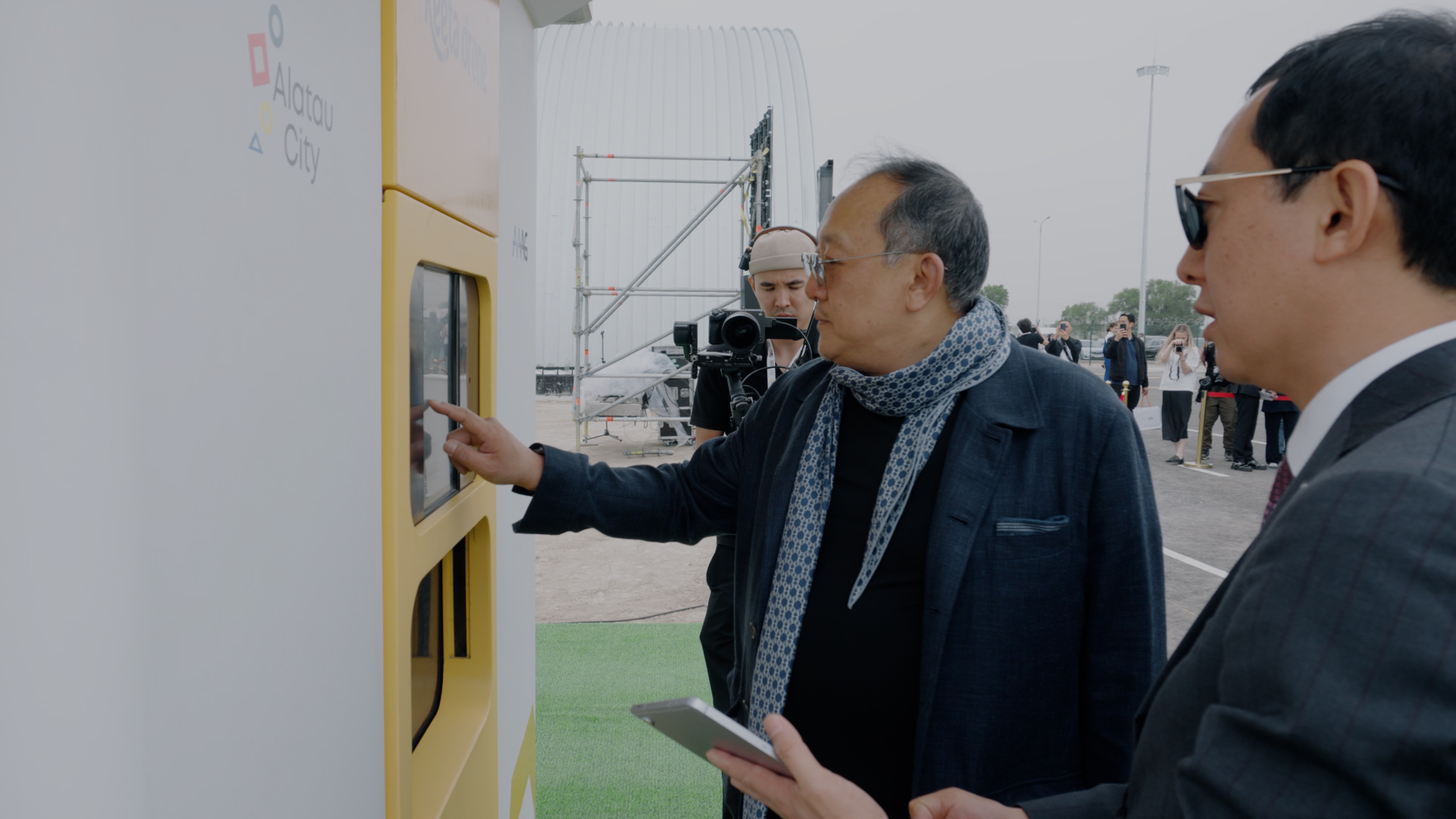
Alisher Abdykadyrov, CEO of the Alatau City Authority, emphasized the strategic significance of the demonstration flight for urban development:
“Today, we are witnessing a historic moment-the first test flight of an air taxi in Kazakhstan. For us, it is more than just demonstrating a new technology. It is a transition to a new model of urban development, where innovation, digital transformation, and cutting-edge mobility solutions become a new economic sector. Alatau City is being built as a territory of the future, so it is highly symbolic that the development of urban air mobility and other future industries is taking root right here.”
Alatau City is designed from the outset as a Smart City that integrates new types of transport, digital services, and experimental legal regimes, allowing air mobility to be embedded directly into the city's master plan.
Transforming Transportation
Kellen Xie, Senior Vice President of AutoFlight, explained why eVTOL is not just a new mode of transport, but a systemic shift:
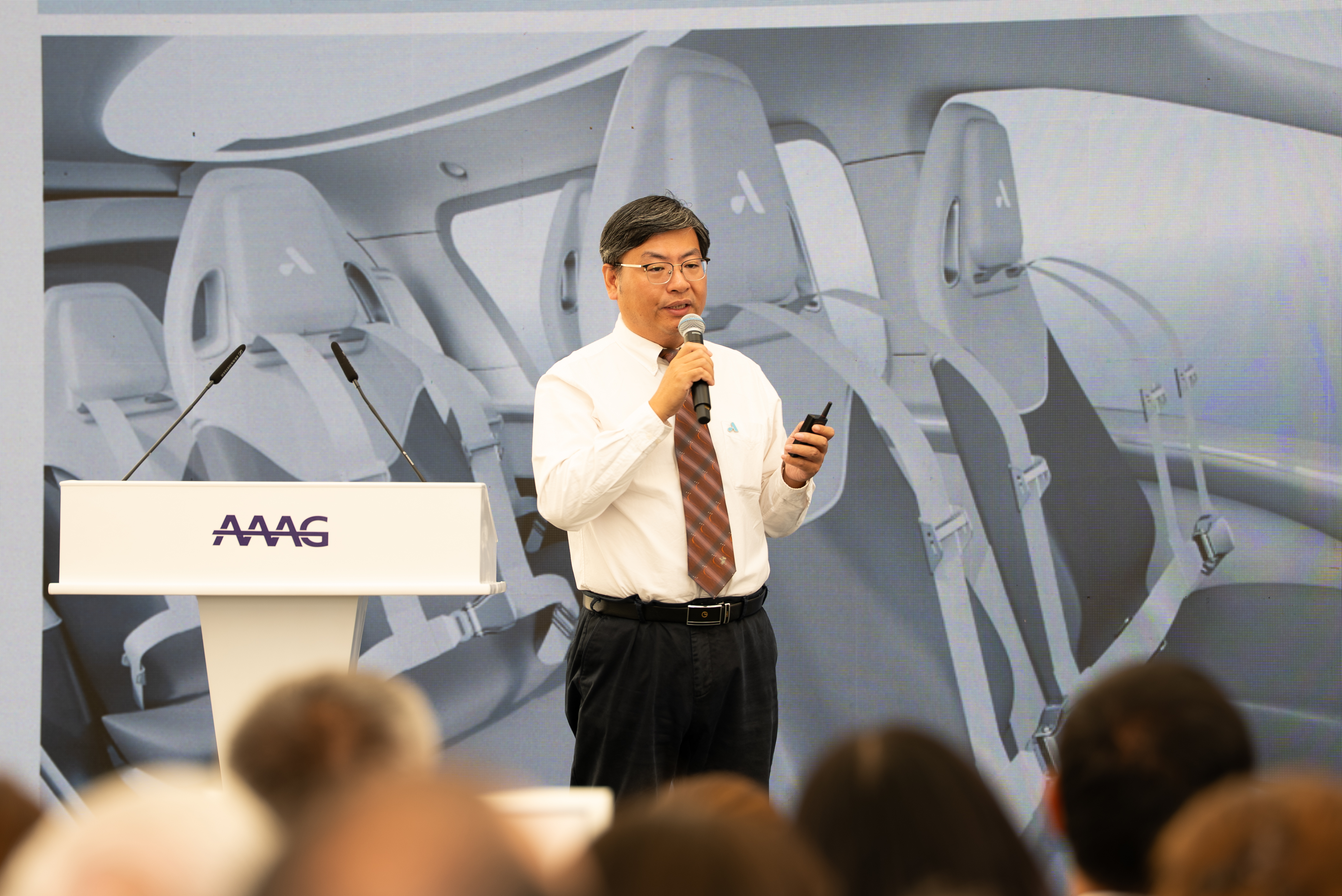
“As I see it, this is a triple technological revolution running alongside the traditional approach to transportation. First, autonomy: we can operate an eVTOL without a pilot on board-pilots remain on the ground to ensure precise takeoff and landing. The second advantage is zero carbon emissions and a very simple design, which translates to easy maintenance and operation. Third, no runway is required: you don't need vast fields, making it very easy to build landing pads and connect the city through various routes. eVTOL technologies today are roughly where electric vehicles were 10 to 15 years ago. Kazakhstan is entering this transformation at an early stage, and we see Alatau City as one of the key sites for testing the integration of air taxis into the urban environment of the future.”
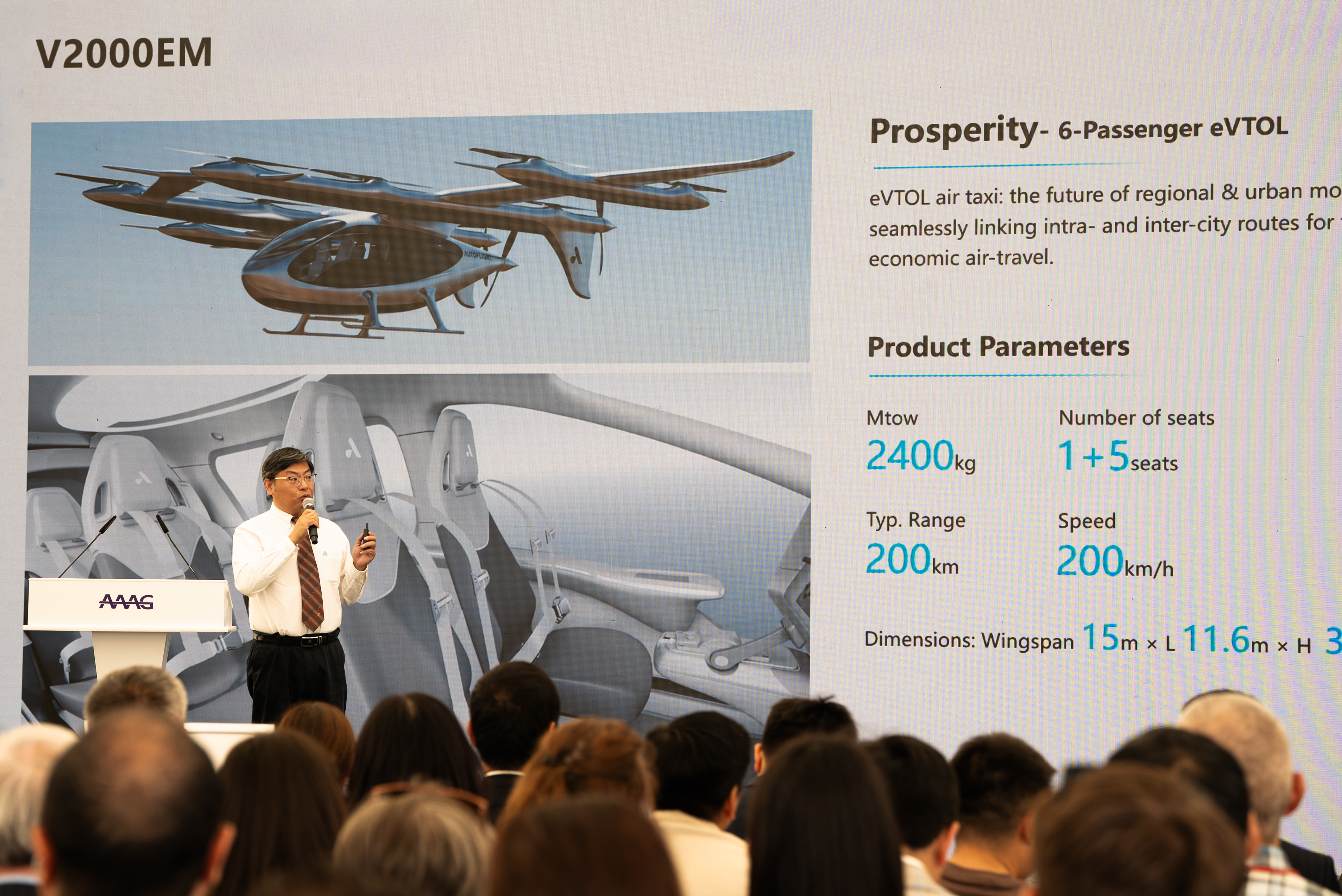
AAAG has signed a memorandum with AutoFlight to purchase 50 V2000/V5000 series aircraft. The parties also agreed to build a regional ecosystem encompassing marketing, sales, training, infrastructure, ground operations, and maintenance, along with the transfer of know-how and operational expertise.
Vertiport Network: From Landing Pads to Infrastructure
eVTOLs take off and land at vertiports-compact hubs equipped with charging infrastructure and navigation systems, which, unlike traditional airports, can be seamlessly integrated into the urban environment: on building rooftops, at transport hubs, or within business clusters. Construction of the first vertiport in Alatau City has already begun.
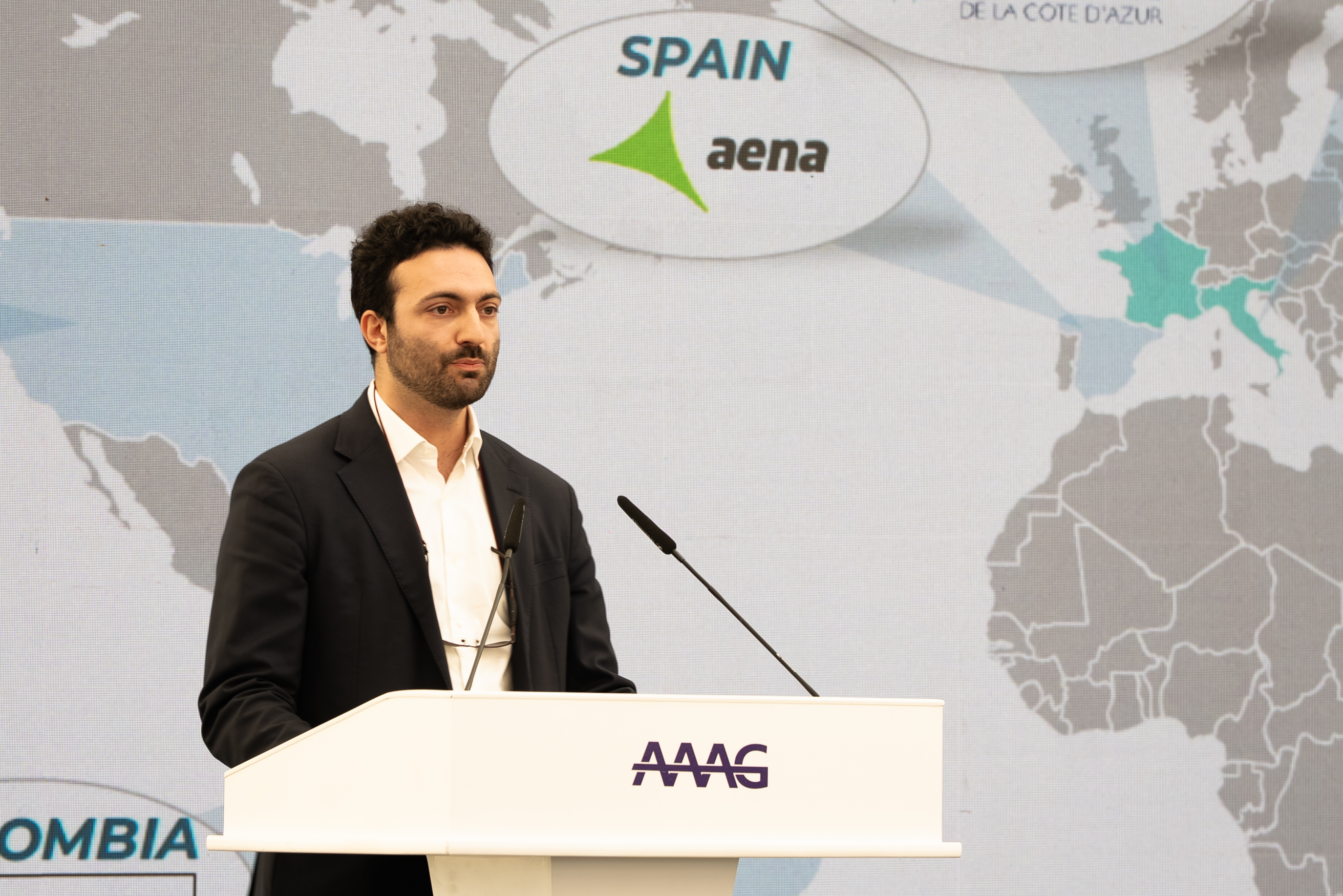
Italian company UrbanV is partnering with AAAG to design the vertiports. Ermanno Forastiere, the company's EMEA & APAC representative, described their approach:
“As part of our joint initiative with the AAAG consortium, our goal goes far beyond simply designing vertiports. We aim to contribute to building a scalable and efficient advanced air mobility ecosystem from the ground up-this is a comprehensive effort covering all key elements: demand analysis, business planning, infrastructure design, operational concept development, and regulatory support. Our ultimate goal is to establish a sustainable air mobility service capable of bringing long-term value to the region and its residents.”
Future plans include a network of vertiports in Alatau City, Almaty, and tourist destinations in the Almaty Region. The route from Almaty Airport to Medeu via air taxi is projected to take just 10–12 minutes.
The Digital Sky: Traffic Management
Alongside the physical infrastructure, a digital framework is also being built. The Korea Airports Corporation (KAC), the state operator of 14 airports in South Korea, presented an air traffic management system for UAM.
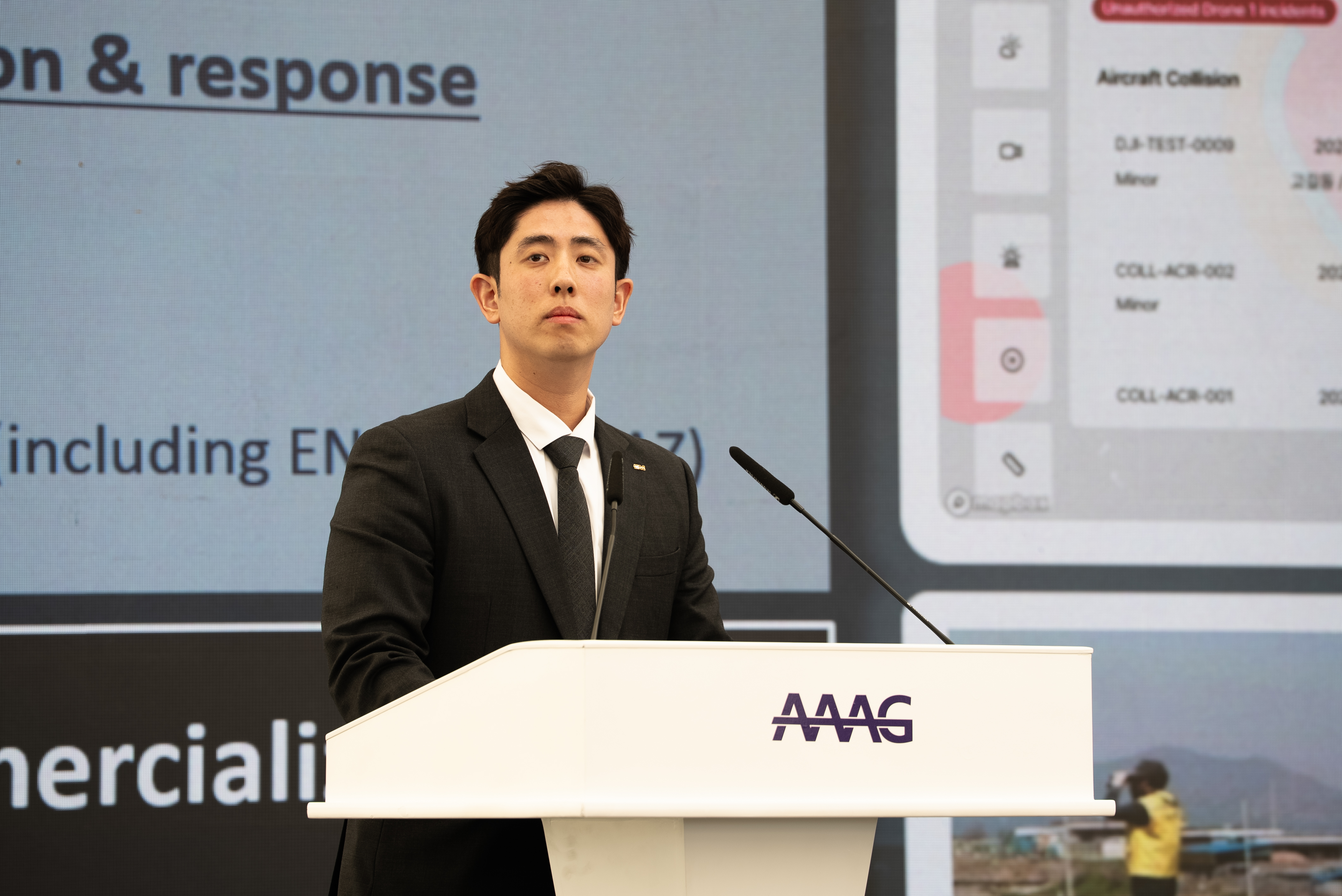
“KAC has developed a UAM air traffic management system to handle future urban air mobility traffic. Since UAM vehicles are piloted aircraft carrying passengers and flying over urban areas, systemic management is vital. Last year, we completed system verification in collaboration with Joby Aviation as part of a demonstration project in Korea. The system is capable of integrating the entire airspace-aircraft passing through the airport, UAM vehicles, and drones-onto a single screen, because in the near future, all aircraft must be managed collaboratively, rather than through disjointed systems. The sky no longer has limits. Let's build it together,” says Chris Woo, Senior Manager at KAC.
Regulatory Framework
These technologies are also gaining a legal foundation. On May 8, 2026, the President of Kazakhstan signed the Constitutional Law "On the Special Legal Regime of Alatau City," which provides the legal framework for implementing Urban Air Mobility technologies, establishing special air zones, and introducing an experimental legal regime.
AAAG is participating in the drafting of approximately 40 regulatory acts for this project-essentially creating the "air code" for Alatau City. Draft amendments to national aviation legislation are already under review by the Mazhilis.
The May 19 demonstration flight is the first step toward a commercial launch planned for 2028. Designed from scratch as a Smart City, Alatau City enjoys a rare advantage: air mobility is being embedded into the city's master plan from the very beginning, rather than being retrofitted into existing infrastructure.
According to forecasts by the analytical platform Unmanned Airspace, over 1,500 vertiports will be built worldwide by 2029. Kazakhstan intends to be on that map.