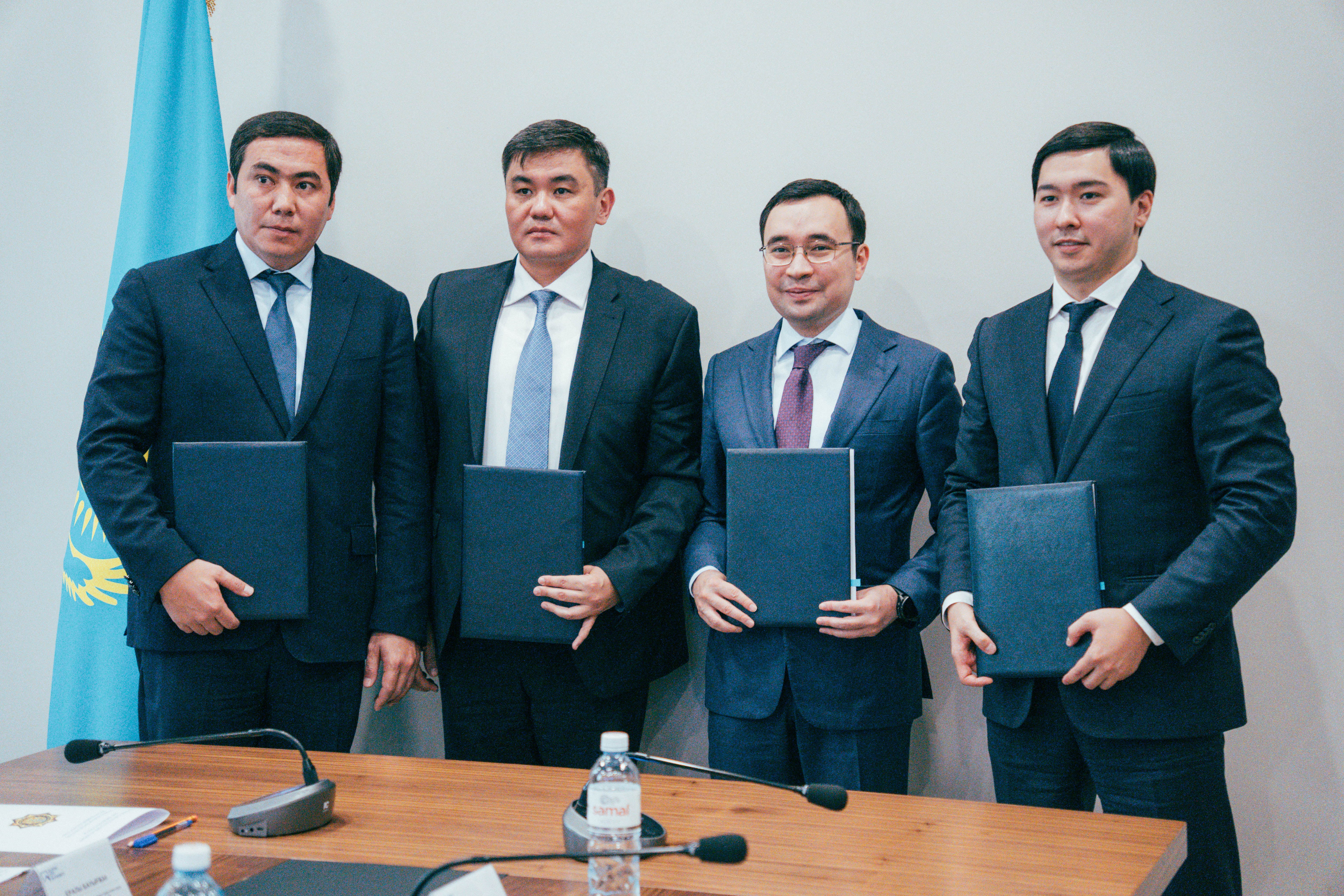
Parliament Approves Constitutional Law on the Special Status of Alatau City
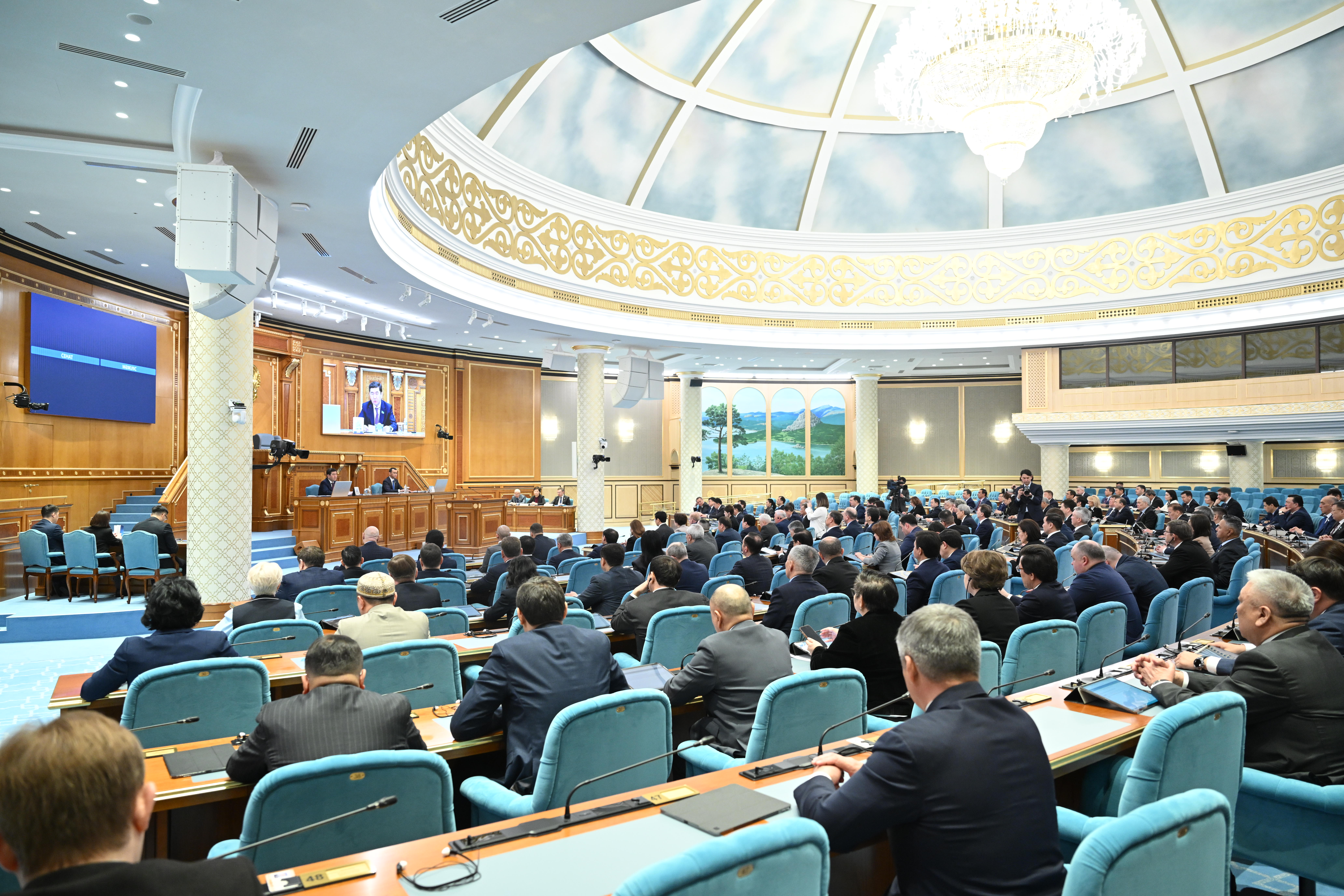
Member of the Mazhilis Nurtay Sabilyanov noted that following the first reading, the provisions of the draft law were aligned with the new Constitution adopted in the referendum on March 15.
“The applicability of the special legal regime has been clarified for both Alatau City and its suburban zone, where specific provisions of this regime also apply, considering its future development. New concepts have been introduced that define the conditions for conducting business activities and investment incentives, such as ‘priority sectors of Alatau City’, ‘business license’, ‘regulatory permit’, and ‘tax incentive’. Furthermore, the business license grants residents the right to operate within the territory of Alatau City and defines the types and conditions of such activities,” the Member of the Mazhilis added.
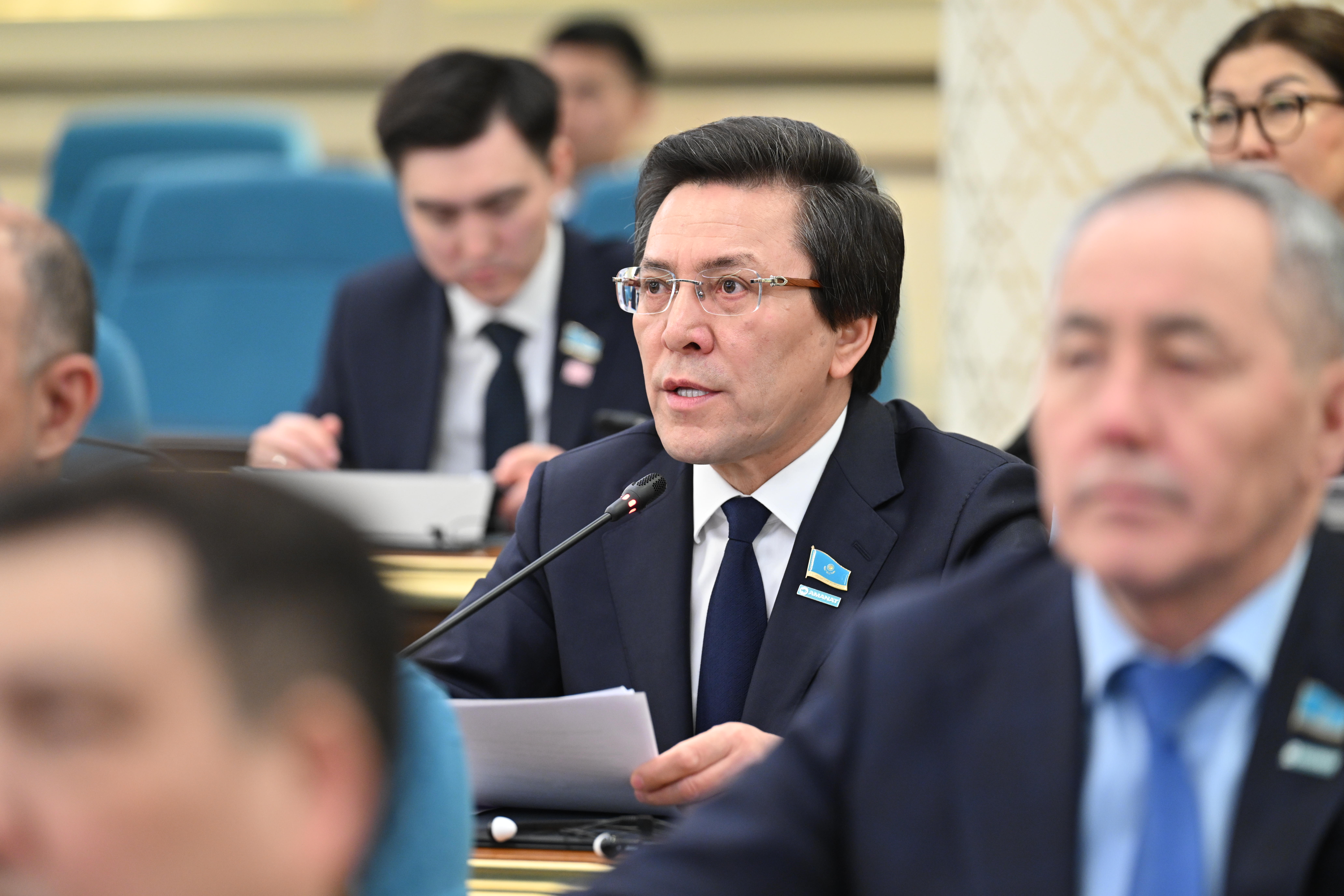
What Opportunities Does the Constitutional Law Create?
A New Model for Urban Governance
The city’s development model provides for a clear separation between strategic planning and day-to-day administration.
A central role in implementing the city’s long-term development strategy will be played by the ACA as the core state institution established in the form of a state fund. Although the Authority is not formally part of the Government, it operates under the supervision of the Council chaired by the Prime Minister.
At the same time, the familiar responsibilities related to daily urban administration and the delivery of social services remain fully assigned to the Maslikhat and the Akimat.
Digitalisation and Smart City
One of the key milestones in the development of Alatau will be the implementation of the Digital by Default principle. The Constitutional Law formally establishes the city’s status as a full-fledged Smart City, where AI technologies are expected to be integrated as broadly as possible. This applies not only to urban management systems, but also to interaction with businesses and residents, reducing bureaucracy and making the urban environment genuinely technology-driven.
Financial Autonomy and Tax Incentives
A separate set of adopted provisions is aimed at creating a distinct financial and tax framework for Alatau.
Within Alatau City, special tax regulations will take precedence, while transfers from the city budget to the republican budget or any other budgets will be prohibited until 2050 or until the city reaches full financial self-sufficiency.
The city will operate under a consolidated budget model combining local budget resources with those of the state fund. This is designed to ensure uninterrupted and integrated financing for both ongoing social obligations and large-scale infrastructure projects.
Tax incentives will be granted to new investment projects under conditions of strict transparency and public disclosure of obligations, while an additional innovation regime will make it possible to apply international standards and accelerated licensing procedures.
Land Fund and Long-Term Planning
A key instrument for implementing the new investment policy will be the land fund of Alatau. Land plots will be allocated to residents through licences or contractual agreements directly tied to specific investment projects, allowing land to be efficiently integrated into economic circulation as a core development resource.
At the same time, the city’s growth will strictly follow long-term planning documents, including a 30-year conceptual development plan and a 15-year urban development plan, providing both investors and residents with long-term stability and predictability in the urban environment.
Investment Protection and International Law
The Constitutional Law establishes strong investment protection guarantees and a non-discriminatory framework for all partners. Investors are granted the right to choose the jurisdiction for dispute resolution either through the court of Astana International Financial Centre, which operates under English common law, or through international arbitration.
“The purpose of the law on Alatau is to create a distinct institutional environment for the city one where decisions are made faster, including through newly designed business rules, where governance is concentrated within a single centre, where investors clearly understand the rules of the game over the long term, and where the territory itself gains the capacity to develop at an accelerated pace and deliver complex projects that can influence the country’s overall GDP”, - Nikita Shatalov, Member of the Mazhilis of the Parliament of Kazakhstan.
The Constitutional Law adopted in the second reading does more than change the city’s formal status - it establishes in Alatau one of the most attractive and legally protected business environments in the region.
Read more about how the Constitutional Law was adopted in its first reading during the joint session of Parliament here.